


Sometimes an insurer does not argue about how much your injuries are worth – it argues about who was at fault. If they can blame you, your compensation shrinks. Here is how liability disputes work in California and how to protect your claim.
Why Insurers Fight Over Fault
California uses pure comparative negligence: you can recover even if partly at fault, but your award drops by your fault percentage. That is exactly why insurers push to blame you – disputed fault is about leverage, not always the truth.
How Fault Gets Disputed
Common moves: claiming you sped or moved suddenly, pointing to a vague police report, leaning on “inconsistencies” in your account, or simply denying their driver did anything wrong. Because you carry the burden of proving fault, weak evidence works in their favor.

Evidence That Protects You
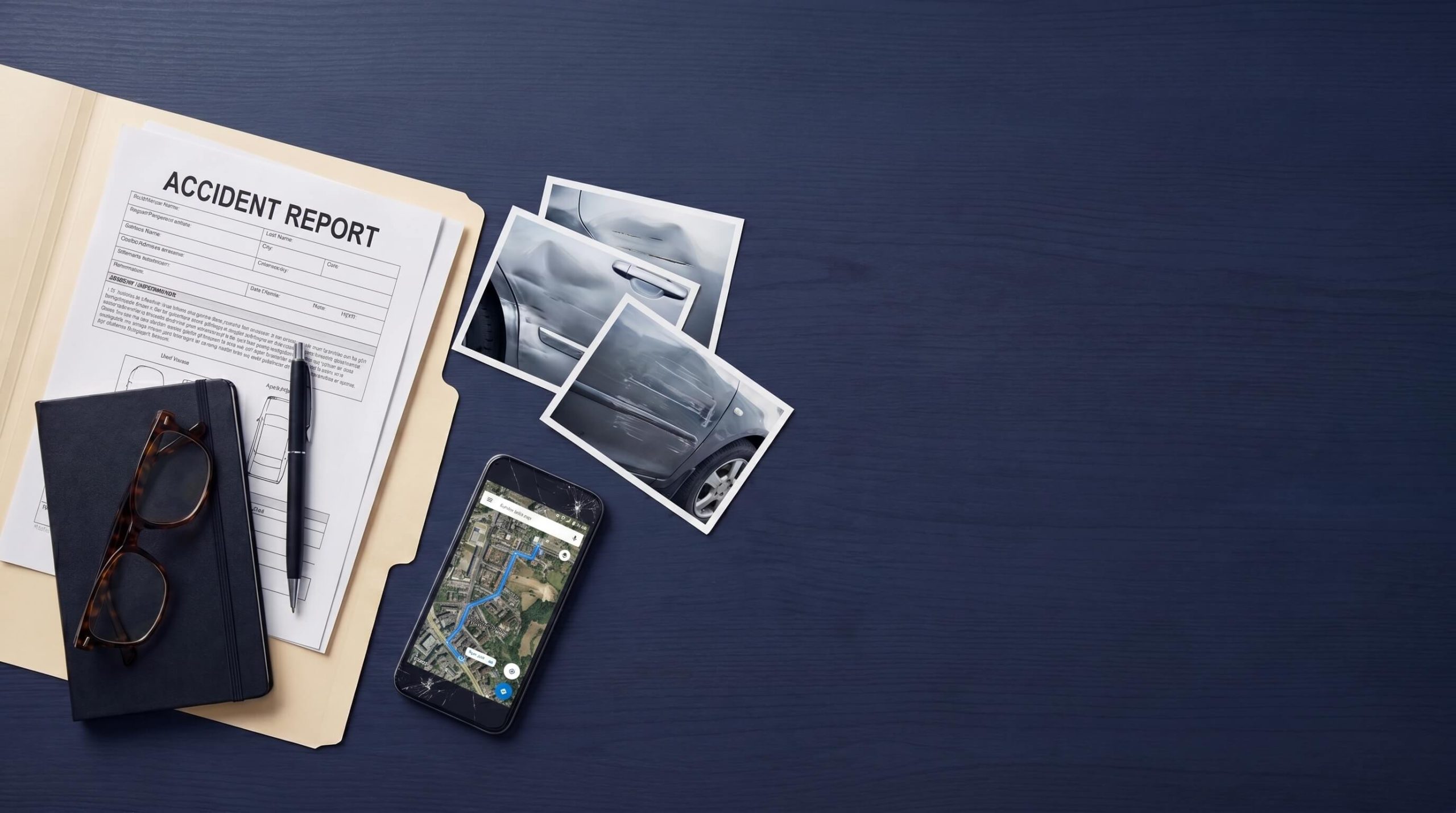
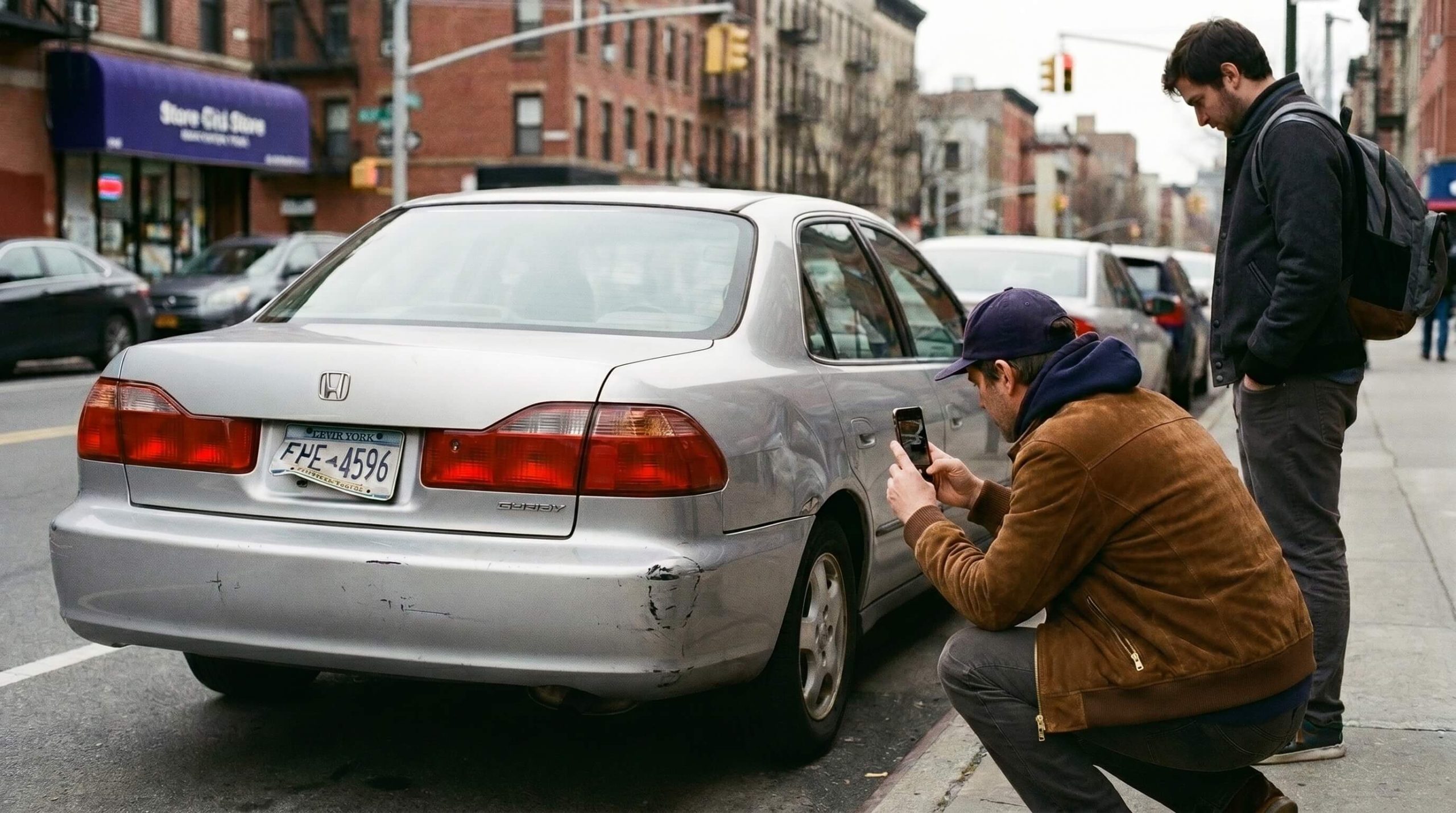
Strong proof answers a liability fight: the police report, scene and damage photos, independent witnesses, nearby or dash-cam video, and consistent medical records. Evidence vanishes fast, so act quickly – an adjuster’s opinion that you are “at fault” is a negotiating position, not a ruling.
Helpful Resources & Links
 California Courts – Civil Lawsuits (Self-Help)
California DMV – Reporting a Traffic Accident
Ellin Mardirosian Law – Practice Areas
Ellin Mardirosian Law – Free Consultation
Speak With Ellin Mardirosian Law
Injured? Your consultation is free and confidential. Call (747) 310-5200 – English, Spanish, and Armenian. No fee unless we win.