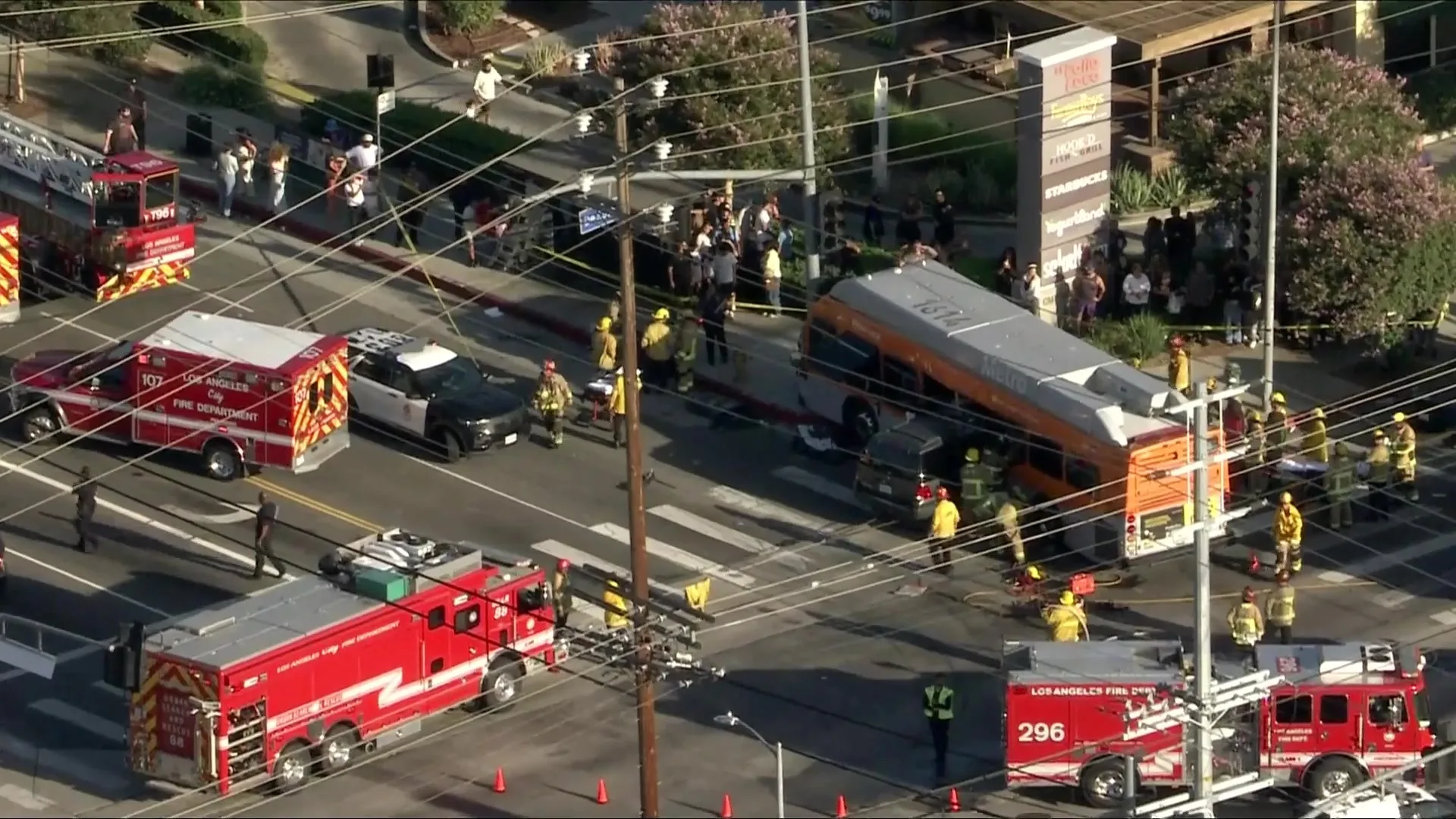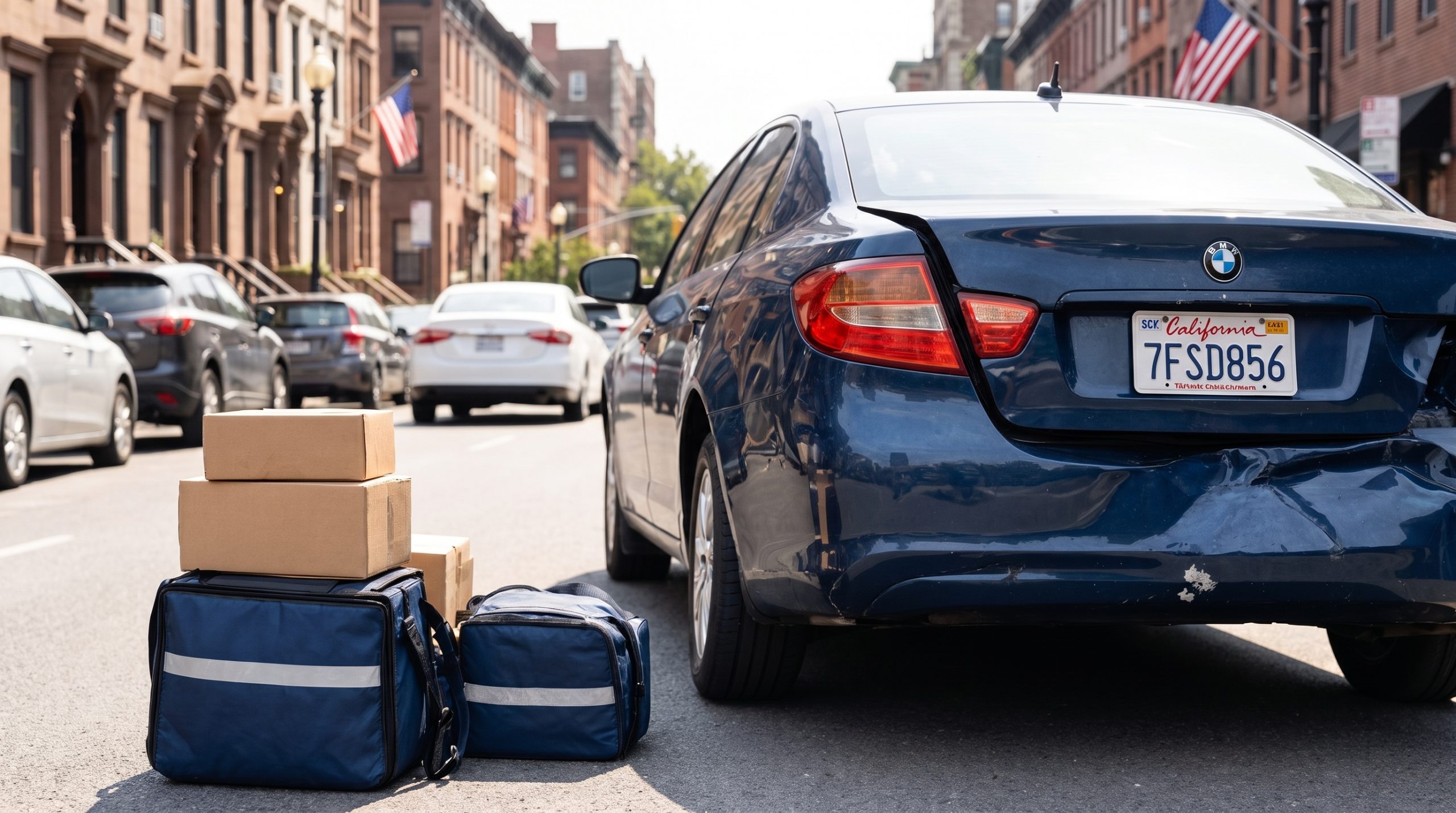




After an Uber or Lyft crash, the first real question is often not who was careless – it’s which insurance policy applies. In California, coverage can swing from modest to a million dollars depending on exactly what the driver was doing at the moment of impact. Here is how rideshare insurance actually works, including an important change that took effect in 2026.
It comes down to the driver’s “period”
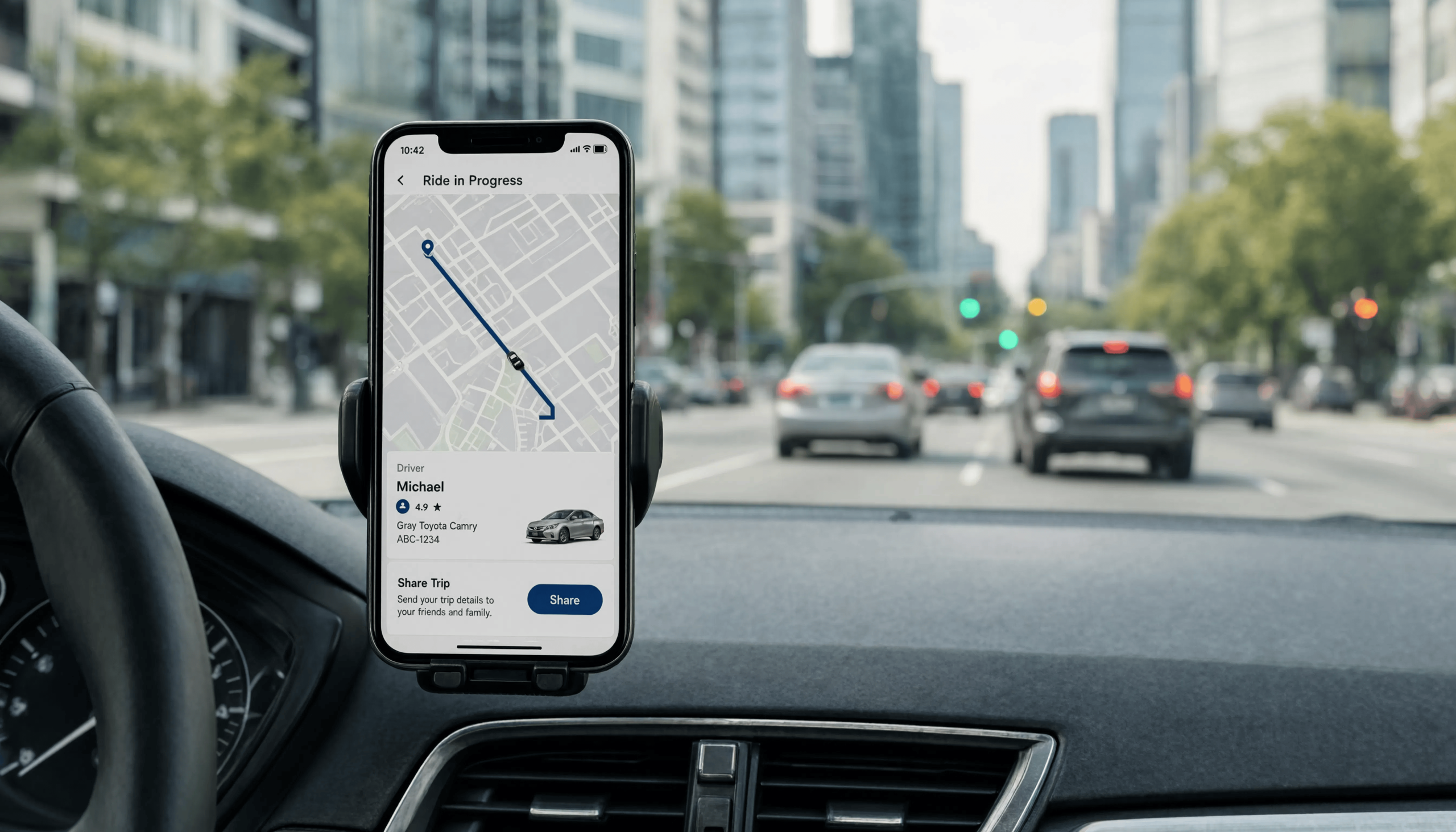
California regulates Uber and Lyft as transportation network companies through the Public Utilities Commission. Coverage is divided into periods based on the app’s status. App off: the driver’s personal auto policy applies. Period 1 (app on, waiting for a ride): the company provides at least $50,000 per person, $100,000 per crash, and $30,000 for property damage, plus $200,000 in excess coverage. Periods 2 and 3 (a ride is accepted and the driver is en route or carrying a passenger): a $1 million commercial liability policy applies.
The 2026 change every passenger should know
For policies issued or renewed on or after October 1, 2025, Senate Bill 371 cut the uninsured/underinsured motorist coverage that rideshare companies must carry – from $1 million down to $60,000 per person and $300,000 per incident. The $1 million liability coverage that applies when the rideshare driver is at fault is unchanged. But if you are a passenger and an uninsured or hit-and-run driver causes the crash, the pool of money available to you is now far smaller than it used to be. The practical takeaway: carry meaningful uninsured-motorist coverage on your own policy.
Which period applies is a factual fight
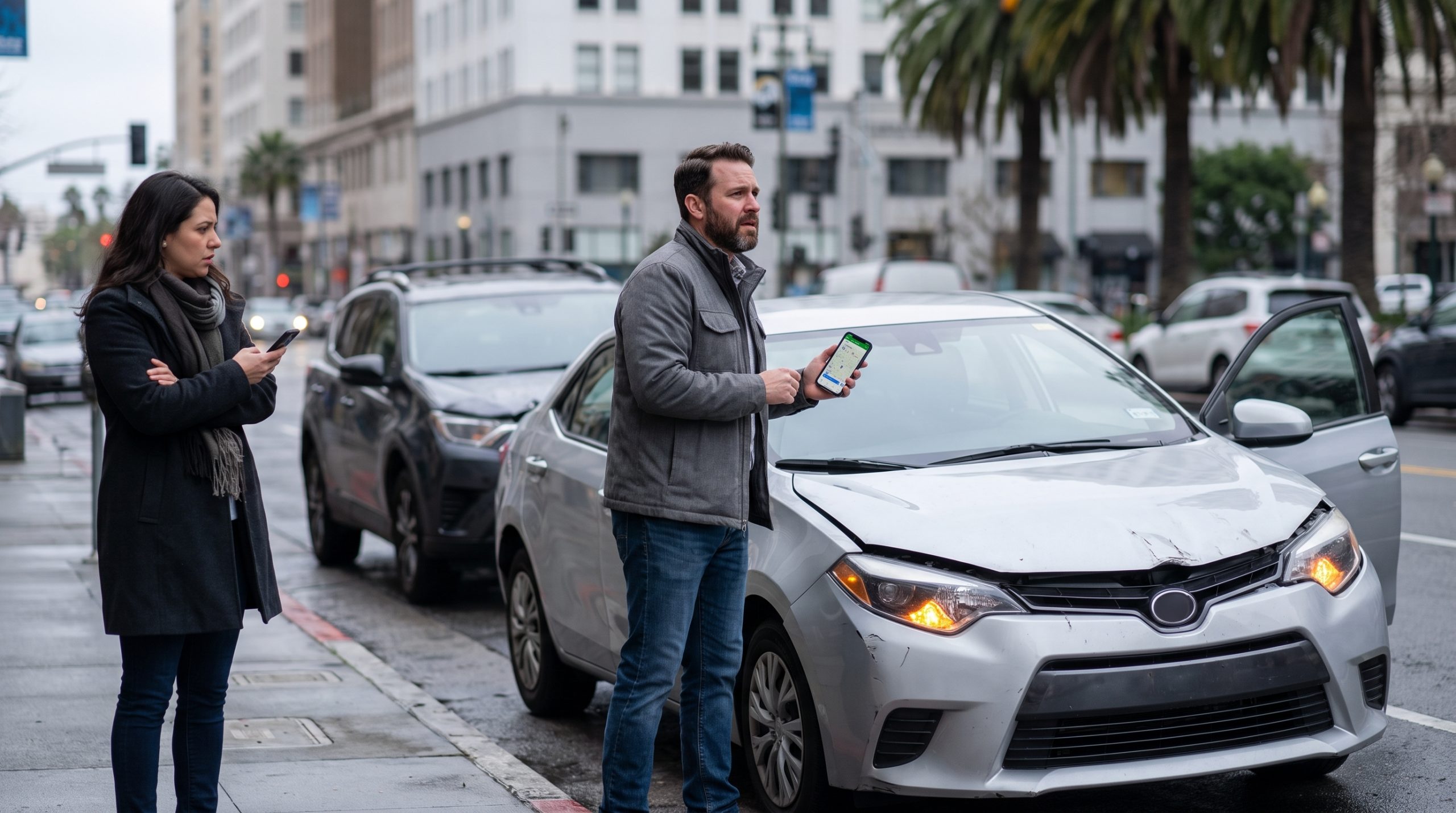
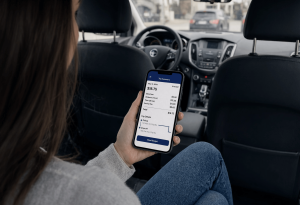
You usually can’t tell from the scene whether a driver was merely logged in or had already accepted a ride – and that distinction can change a claim’s value dramatically. The proof lives in the app’s timestamps: when the driver went online, accepted the trip, picked up, and dropped off. Save your trip receipt and any screenshots; they can be decisive.
Can you sue Uber or Lyft directly?
Usually the claim is against the company’s commercial insurance rather than the company itself. Proposition 22’s independent-contractor classification limits the traditional argument that Uber or Lyft is automatically responsible for a driver’s conduct, but direct claims – for example, negligent hiring or safety failures – remain possible in the right circumstances.
If you’re a passenger, you’re rarely at fault
As a passenger you almost never share blame, which puts you in a strong position – but you’ll still deal with insurance adjusters whose job is to keep payouts low. Knowing the tactics they use is half the battle.
Deadlines
You generally have two years to file a rideshare injury claim in California, and as little as six months if a government vehicle was involved. Medical records, app data, and witness memories fade – the sooner a claim is documented, the stronger it is.
Helpful Resources & Links
 California PUC – Rideshare (TNC) Insurance Requirements
California DMV – Report a Traffic Accident (SR-1)
Ellin Mardirosian Law – How Insurance Companies Try to Reduce Injury Settlements
Ellin Mardirosian Law – When Insurance Companies Challenge Liability
Ellin Mardirosian Law – Practice Areas
Ellin Mardirosian Law – Free Consultation
Speak With Ellin Mardirosian Law
Injured? Your consultation is free and confidential. Call (747) 310-5200 – English, Spanish, and Armenian. No fee unless we win.