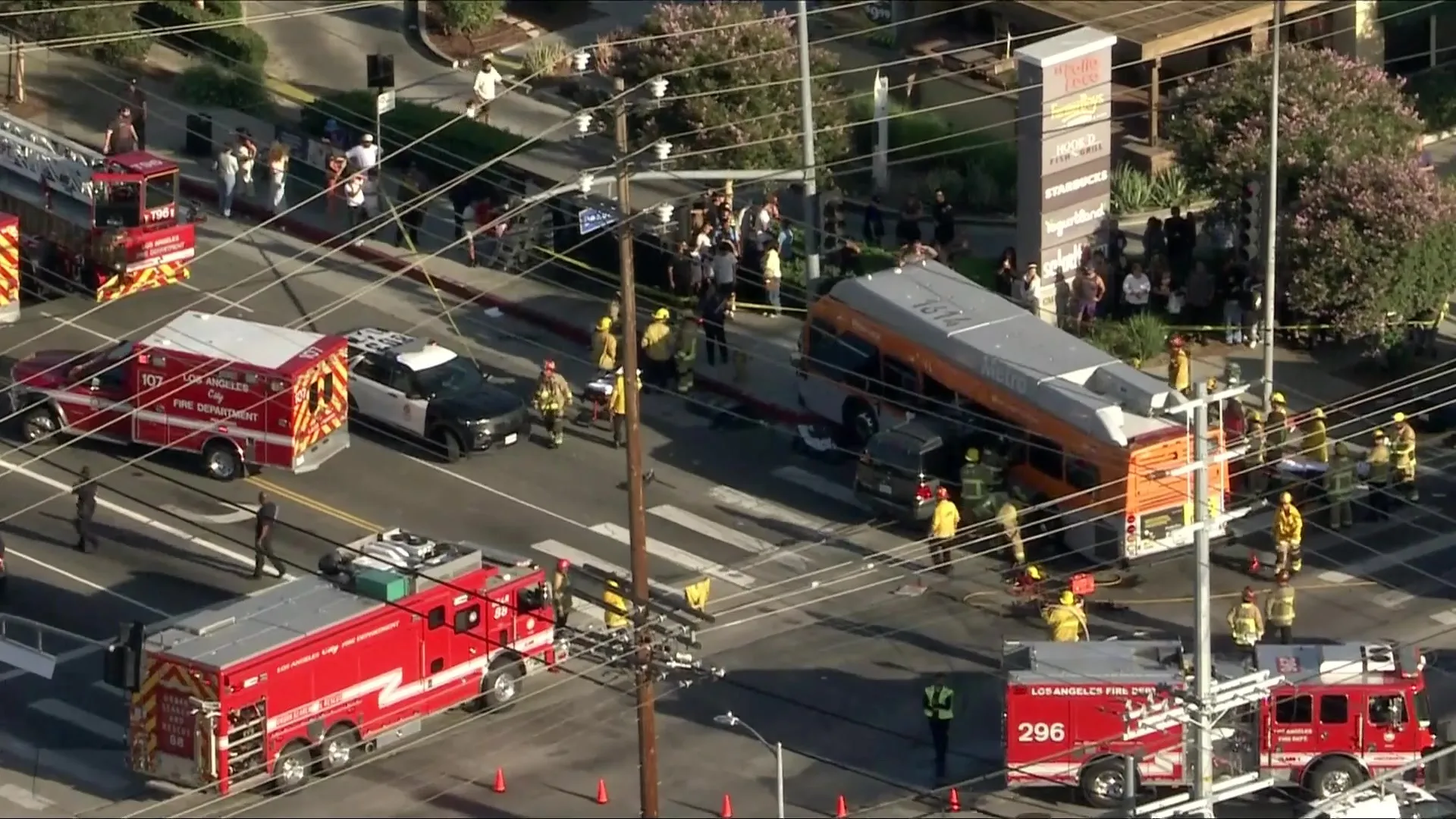
Our hearts go out to everyone affected by the tragic bus crash in Chatsworth this week. When a routine commute suddenly turns into a catastrophe, families are left searching for answers – about what happened, and about what comes next. This post shares what is currently known about the crash and offers general information about the rights of passengers and families after a public bus accident in California. Our goal is not to speculate, but to help those affected understand their options during an overwhelming time. What We Know About the Crash On the afternoon of Tuesday, September 15, 2026, an SUV collided with the side of a Metro bus at the intersection of West Nordhoff Street and De Soto Avenue in the Chatsworth neighborhood of Los Angeles. According to the Los Angeles Fire Department and news reports, the impact was severe: emergency crews, including an urban search and rescue team, worked to free multiple people trapped inside the bus. At least two people – both aboard the bus – were killed, and several others were taken to hospitals with injuries. Witnesses described the SUV striking the bus at high speed, though the official cause remained under investigation, and the full toll and details were still developing as of this writing. When a Public Bus Is Involved, the Rules Are Different A crash involving a Metro bus is not an ordinary car accident, because a public transit agency is involved – and two things make these cases distinct. First, buses and public transit are treated as “common carriers” under California law, which means they owe their passengers the highest degree of care. Second, and critically, claims against a government entity like Metro come with a much shorter deadline: injured people generally must file a formal administrative claim within just six months of the incident, long before an ordinary lawsuit deadline. Missing that six-month window can bar an otherwise valid claim, which is why acting quickly matters so much. More Than One Party May Be Responsible In a collision like this one, responsibility can rest with more than one party, depending on what the investigation ultimately reveals – the driver of the other vehicle, the transit agency, or others. Each potential source of responsibility may carry its own insurance, which can matter greatly for passengers facing serious injuries and mounting medical bills. Sorting out who is accountable, and pursuing every available avenue of recovery, is exactly the kind of work these cases require. What Passengers and Families Can Do If you or a loved one was on the bus or otherwise affected, a few steps can protect both your health and your rights: Get medical care right away, and keep all records – some serious injuries are not immediately obvious. Hold on to any documentation, photos, or details about the crash and your injuries. Be cautious about giving recorded statements to any insurer before getting advice. Be mindful of the short six-month deadline for claims involving a public agency. Consider speaking with an attorney promptly, given how quickly that deadline approaches. Above all, our thoughts are with the victims, their families, and everyone touched by this tragedy. If you or someone you love was injured in the Chatsworth bus crash – or in any public transit accident in California – Ellin Mardirosian Law is here to help you understand your rights, with a free and no-pressure consultation whenever you are ready. Helpful Resources & Links Practice Areas – Ellin Mardirosian Law Free Consultation – Contact Us Website by Inspirovate Creatives KTLA – News Coverage of the Chatsworth Metro Bus Crash California Courts – Self-Help Center Free consultation with Ellin Mardirosian Law – call (747) 310-5200. Representing accident and injury victims across California and Nevada. Fluent in English, Spanish, and Armenian. Disclaimer: This article is general information about California (and, where noted, Nevada) law, not legal advice, and does not create an attorney-client relationship. Every case is different – for guidance on your situation, speak with a licensed attorney.
Delivery-Driver Accidents in California: Who Pays When a Gig Driver Hits You?
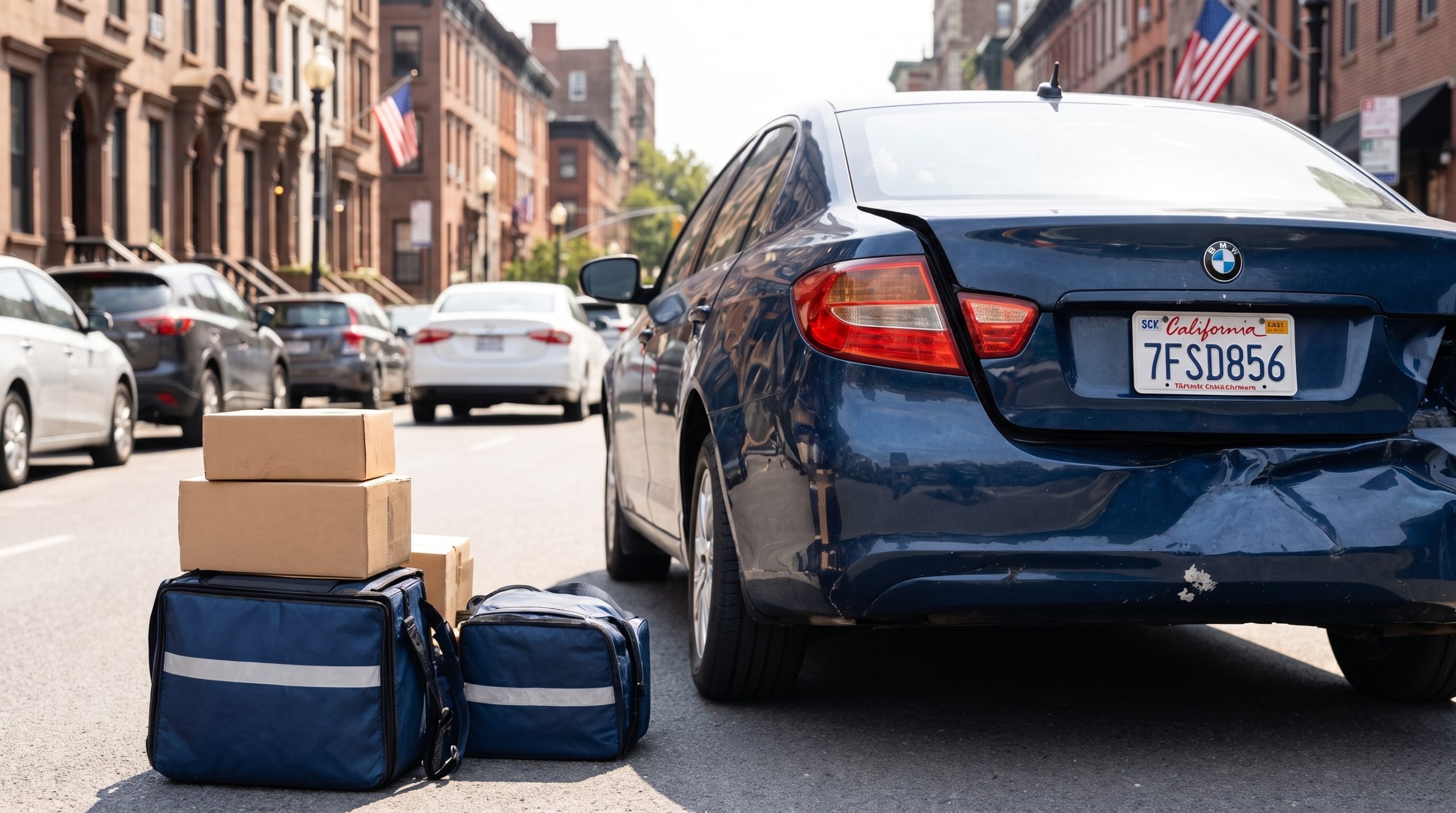
Every day, thousands of gig-economy drivers crisscross California delivering packages, groceries, and takeout for companies like Amazon, DoorDash, and Instacart. When one of them causes a crash, the question of who pays your bills is surprisingly complicated – and getting it wrong can cost you. Here is how insurance works after a delivery-driver accident, and why these claims are trickier than they look. Why These Claims Are Complicated Most gig drivers use their own personal vehicles – but personal auto insurance usually excludes accidents that happen while driving for money. That creates a potential gap: the driver’s personal policy may deny the claim because they were working, while the details of the company’s coverage depend on exactly what the driver was doing at the moment of the crash. Coverage Often Depends on the Moment With many delivery platforms, the available insurance changes depending on the driver’s status: Not logged in to the app – typically only the driver’s personal insurance applies. Logged in and waiting for an order – limited coverage may apply. Actively picking up or delivering – the company’s commercial liability coverage is most likely to apply. Pinning down which phase the driver was in is often the key to finding the right insurance. Who Might Be Responsible Depending on the facts, more than one party may be on the hook – the driver personally, the delivery platform’s commercial policy, or, in some arrangements, a separate delivery company that employs the driver. Sorting out these layers is exactly the kind of investigation that makes a real difference in what you recover. If a Delivery Driver Hits You Protect your claim the way you would in any crash – but be sure to capture the details that matter here: get medical care and a police report, photograph the vehicle and any delivery signage, app, or company markings, and write down what the driver says about who they were working for. Then get legal advice before dealing with the insurers. Do not let overlapping insurance policies leave you paying for someone else’s mistake. If you were injured by a delivery or rideshare driver in California, Ellin Mardirosian Law offers a free consultation to untangle the coverage and pursue what you are owed. Helpful Resources & Links Practice Areas – Ellin Mardirosian Law Free Consultation – Contact Us California Department of Insurance California DMV Free consultation with Ellin Mardirosian Law – call (747) 310-5200. Representing accident and injury victims across California and Nevada. Fluent in English, Spanish, and Armenian. Disclaimer: This article is general information about California (and, where noted, Nevada) law, not legal advice, and does not create an attorney-client relationship. Every case is different – for guidance on your situation, speak with a licensed attorney.
Thanksgiving Through New Year’s: California’s Most Dangerous Stretch on the Road
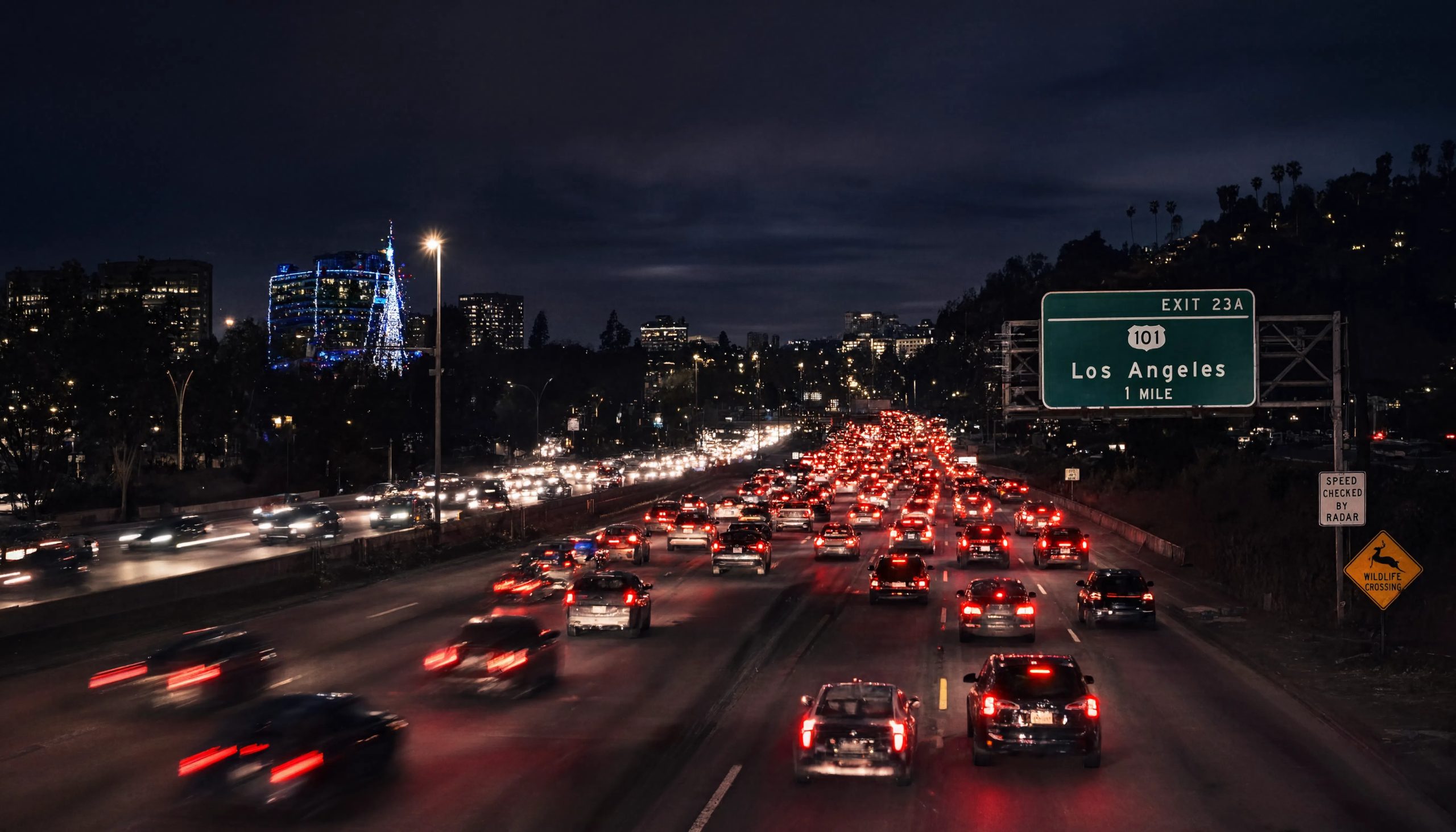
The stretch from Thanksgiving to New Year’s Day is the most wonderful time of the year – and one of the deadliest on the road. More travel, more celebrations, and more impaired drivers combine to make the holidays a genuinely dangerous time to drive in California. Here is why the risk climbs, and how to protect yourself and your family this season. Why the Holidays Are So Dangerous Several risks peak at once. Highways fill with holiday travelers, often driving long distances while tired. Celebrations mean more alcohol – and impaired driving surges around Thanksgiving eve, one of the year’s biggest drinking nights, and again on New Year’s Eve. Add early darkness and winter weather, and the season becomes a perfect storm for serious crashes. The Drunk-Driving Spike Impaired driving is the single biggest holiday danger. Law enforcement across California responds with extra patrols and DUI checkpoints throughout the season, but the risk remains high. If you are hit by a drunk driver, your claim is separate from any criminal case against them – and a driver’s decision to drive impaired can, in some cases, support a claim for punitive damages beyond your actual losses. How to Stay Safe This Season A few habits make a real difference: Never drive after drinking – plan a designated driver, a rideshare, or a place to stay. Build in extra time so you are not rushing through holiday traffic. Stay alert for impaired drivers, especially late at night and around the holidays. Buckle up every trip, and keep young passengers properly secured. If You’re Hurt Over the Holidays If another driver’s carelessness injures you this season, get medical care, call the police, and document everything. A holiday crash is stressful enough without facing an insurance company alone. No family should have their holidays changed by a preventable crash. If you or someone you love was injured by a negligent or impaired driver in California, Ellin Mardirosian Law offers a free consultation to explain your options. Helpful Resources & Links Practice Areas – Ellin Mardirosian Law Free Consultation – Contact Us NHTSA – U.S. National Highway Traffic Safety Administration Free consultation with Ellin Mardirosian Law – call (747) 310-5200. Representing accident and injury victims across California and Nevada. Fluent in English, Spanish, and Armenian. Disclaimer: This article is general information about California (and, where noted, Nevada) law, not legal advice, and does not create an attorney-client relationship. Every case is different – for guidance on your situation, speak with a licensed attorney.
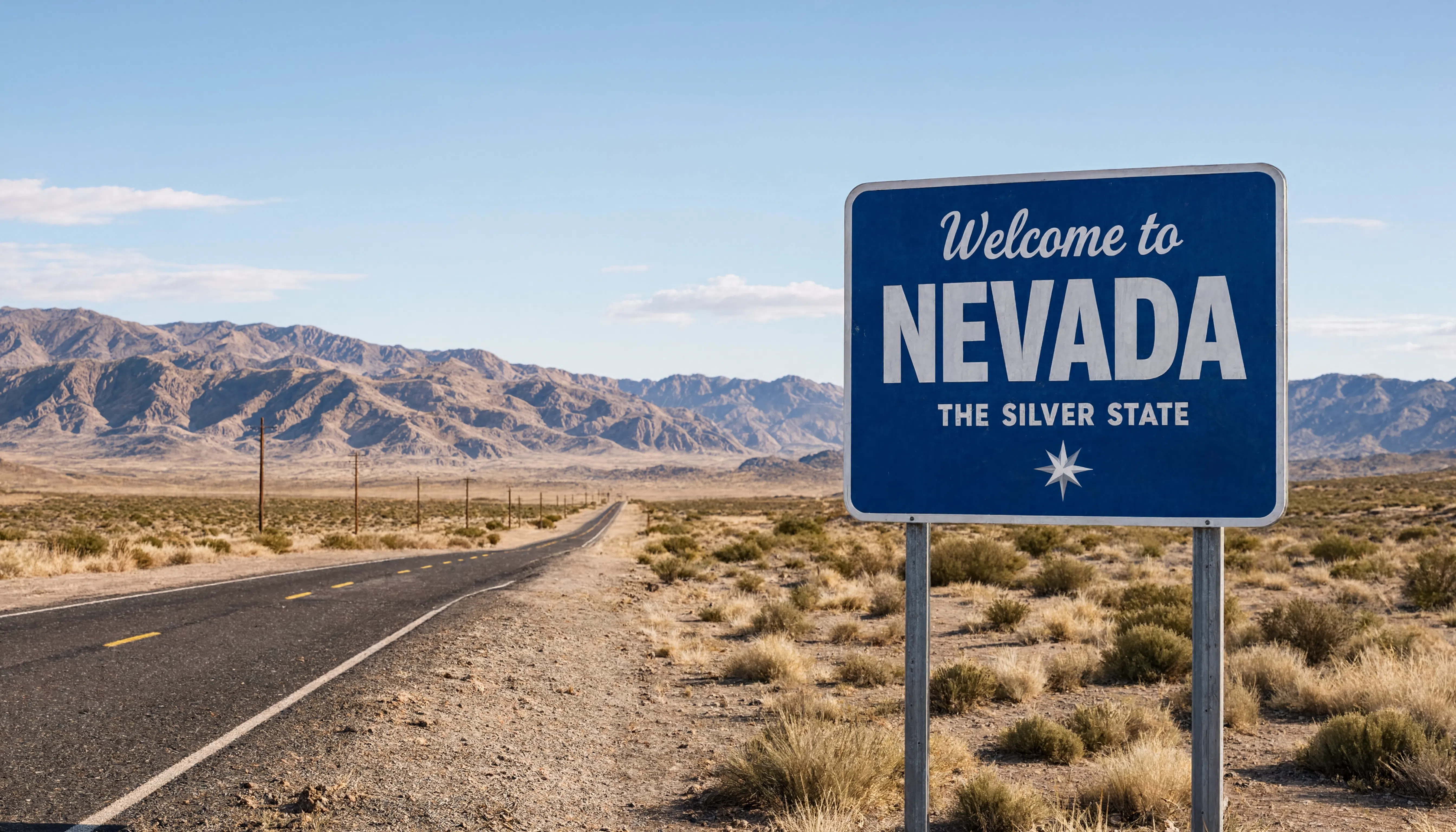
Injured in California vs. Nevada: How Your Personal Injury Claim Can Differ
An accident is stressful enough; an accident that crosses state lines adds a layer of legal complexity most people never expect. A crash on a road trip to Las Vegas, or an injury while visiting family across the border, can raise a deceptively simple question: which state’s law applies? For anyone hurt in California or Nevada, here is why the answer matters – and why it helps to work with a firm that handles both. The Same Accident, Two Different Rulebooks California and Nevada are neighbors, but their injury laws are not identical. Which state’s rules apply generally depends on where the accident happened – and that can affect how fault is handled, how long you have to file, and how your compensation is calculated. Getting it right from the start matters. A Key Difference: How Fault Is Shared One of the most important differences is how each state treats shared fault. California follows pure comparative negligence, meaning you can recover damages even if you were mostly at fault – your award is simply reduced by your share. Nevada uses a modified version: if you are found more than 50% at fault, you may be barred from recovering at all. The same set of facts can lead to very different outcomes depending on which rule applies. Deadlines and Procedure Differ, Too Both states put firm deadlines on injury claims, and the specifics – along with court procedures, insurance requirements, and what evidence carries weight – vary between them. Miss a deadline or file in the wrong place, and even a strong case can be jeopardized. Because these details differ, it is easy to make a costly misstep without guidance. Why a Two-State Practice Helps When your accident touches both states – you live in one and were hurt in the other, or the drivers and insurers are split across the line – having a lawyer experienced on both sides removes the guesswork. Ellin Mardirosian Law represents injury victims across California and Nevada and can help you determine where, and how, your claim should proceed. If you were injured in California or Nevada – or somewhere in between – do not let a jurisdiction question put your claim at risk. Ellin Mardirosian Law offers a free consultation to help you understand which state’s law applies and what to do next. Helpful Resources & Links Practice Areas – Ellin Mardirosian Law About Ellin Mardirosian Law (Serving CA & NV) Website by Inspirovate Creatives California Courts – Self-Help Center Nevada Legislature Free consultation with Ellin Mardirosian Law – call (747) 310-5200. Representing accident and injury victims across California and Nevada. Fluent in English, Spanish, and Armenian. Disclaimer: This article is general information about California (and, where noted, Nevada) law, not legal advice, and does not create an attorney-client relationship. Every case is different – for guidance on your situation, speak with a licensed attorney.
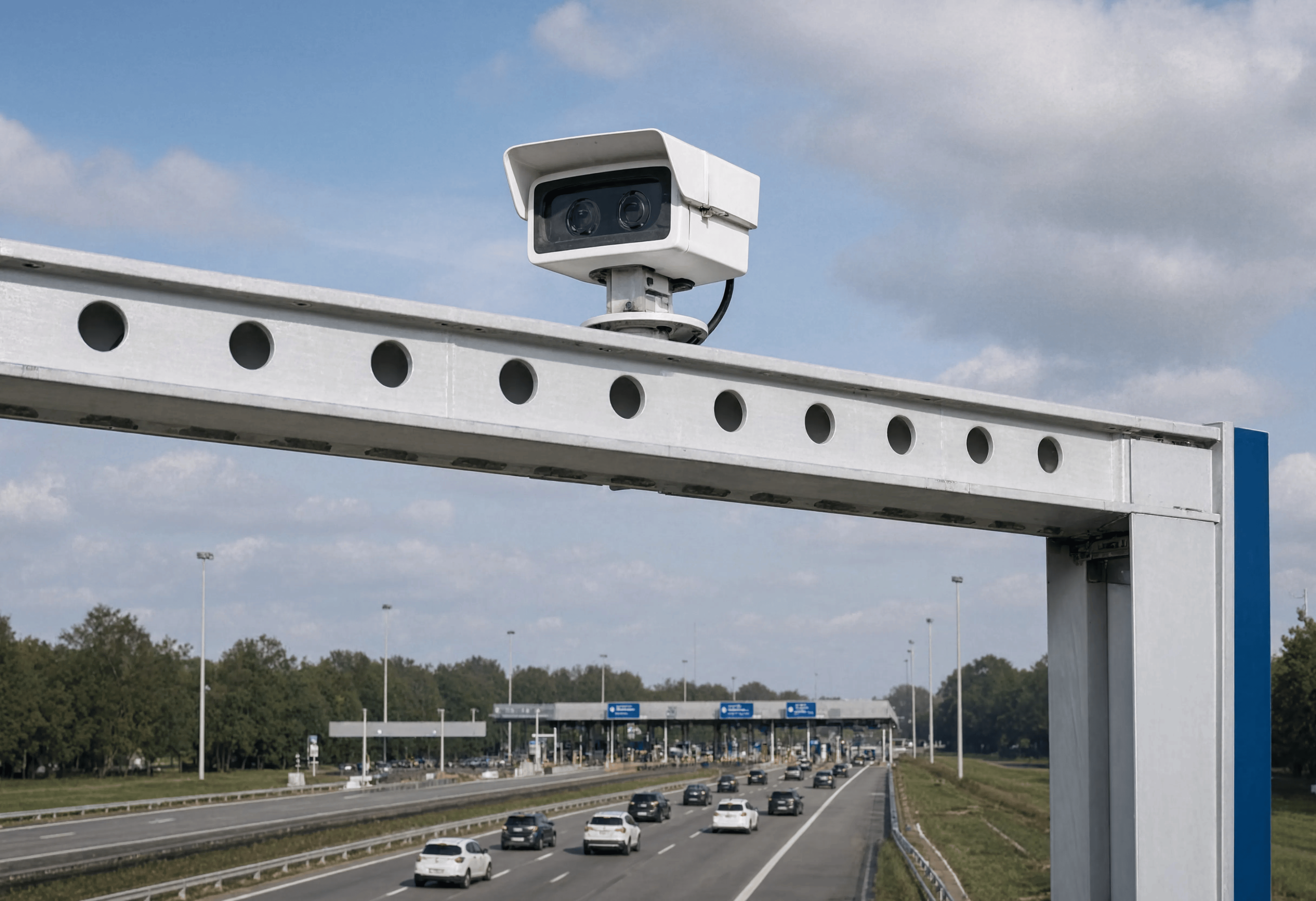
California’s 2026 Crackdown on License-Plate Flippers: What It Means for Hit-and-Run Victims
A hidden or flipping license plate sounds like something out of a spy movie – but the devices are real, and until recently, buying one was surprisingly easy. In 2026, California cracked down. For hit-and-run victims, the change is more than symbolic. Here is what the new law does, and why it matters if you have been hit by a driver who tried not to be identified. What the 2026 Law Does California now makes it illegal to sell or use products designed to obscure, cover, or flip a license plate to evade toll systems, red-light and speed cameras, or law enforcement. Violations can carry fines of up to $1,000. The reasoning is simple: a readable plate is often the single most important clue tying a driver to a crash – and devices built to hide it exist mainly to help people get away with something. Why This Matters for Hit-and-Run Victims In a hit-and-run, everything depends on identifying the driver, and the license plate is usually the key. When plates are deliberately obscured, victims can be left with serious injuries and no obvious way to hold anyone accountable. Cracking down on plate-hiding devices is meant to make fleeing harder – and to preserve the very evidence victims need. Hit by a Driver Who Fled? You Still Have Options Even when a driver is never found, you are not necessarily out of options. Your own uninsured motorist coverage may apply to a hit-and-run, and a thorough investigation – nearby cameras, witnesses, and vehicle debris – can sometimes identify the driver after the fact. Report the crash to police, seek medical care, and document everything you can. Being hit by a driver who tried to disappear is frightening and infuriating – but you do not have to face it alone. If you were injured in a California hit-and-run, Ellin Mardirosian Law offers a free consultation to explore every avenue for recovery. Helpful Resources & Links Practice Areas – Ellin Mardirosian Law Free Consultation – Contact Us Website by Inspirovate Creatives California DMV NHTSA – U.S. National Highway Traffic Safety Administration Free consultation with Ellin Mardirosian Law – call (747) 310-5200. Representing accident and injury victims across California and Nevada. Fluent in English, Spanish, and Armenian. Disclaimer: This article is general information about California (and, where noted, Nevada) law, not legal advice, and does not create an attorney-client relationship. Every case is different – for guidance on your situation, speak with a licensed attorney.
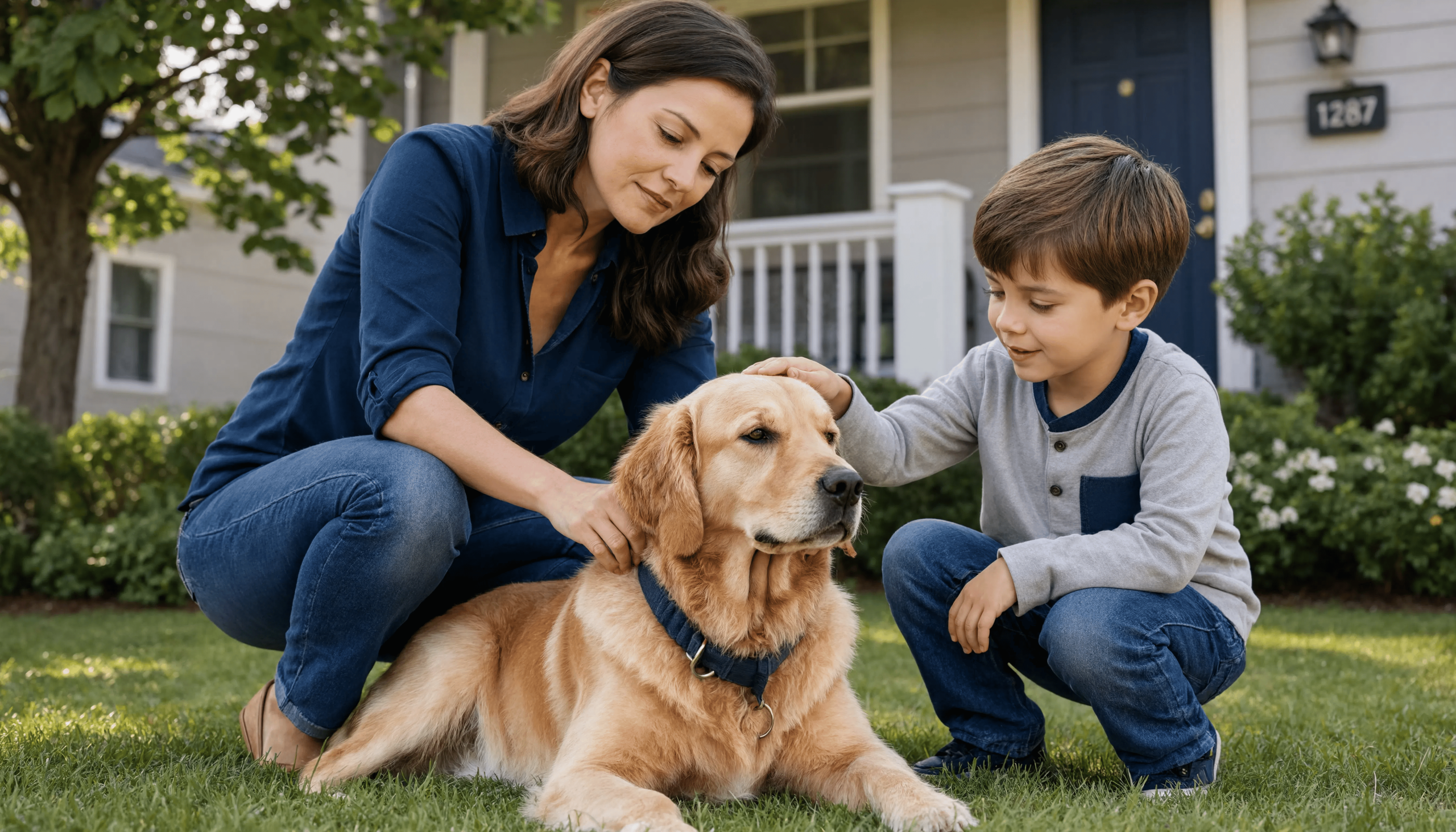
Dog Bite Injuries in California: Strict Liability and What Victims Can Recover
A dog bite can happen in a heartbeat – a neighbor’s pet, a dog at the park, a friend’s animal that had never shown aggression before. The injuries, especially to children, can be serious and lasting. The good news is that California law strongly protects bite victims. Here is how California’s dog-bite law works, and what victims can recover. California Is a “Strict Liability” State Many states follow a “one bite” rule that gives an owner a pass the first time their dog bites. California does not. Under the state’s strict-liability dog-bite law, a dog’s owner is generally responsible for a bite even if the dog had never bitten anyone before and the owner had no reason to expect it. In most cases, the victim does not have to prove the owner did anything careless – only that the bite happened. When the Law Applies The rule generally covers bites that occur in a public place or while the victim is lawfully on private property – including, for example, a mail carrier making deliveries or a guest who was invited in. There are limits (trespassers and certain situations may be treated differently), which is one reason it helps to have the specific facts reviewed. What Victims Can Recover Dog-bite injuries often involve far more than the initial wound. Compensation can include: Medical treatment, including surgery and reconstructive care Scarring and disfigurement, which can be permanent Pain, suffering, and emotional trauma – often significant for children Lost income while recovering In many cases, these claims are paid through the owner’s homeowner’s or renter’s insurance rather than out of the owner’s pocket – which is one reason pursuing a claim need not mean pitting neighbor against neighbor. A serious bite deserves to be taken seriously. If you or your child was injured by a dog in California, Ellin Mardirosian Law offers a free consultation to explain your rights and pursue fair compensation. Helpful Resources & Links Practice Areas – Ellin Mardirosian Law About Ellin Mardirosian Law Website by Inspirovate Creatives AVMA – Dog Bite Prevention California Legislative Information (Civil Code § 3342) Free consultation with Ellin Mardirosian Law – call (747) 310-5200. Representing accident and injury victims across California and Nevada. Fluent in English, Spanish, and Armenian. Disclaimer: This article is general information about California (and, where noted, Nevada) law, not legal advice, and does not create an attorney-client relationship. Every case is different – for guidance on your situation, speak with a licensed attorney.
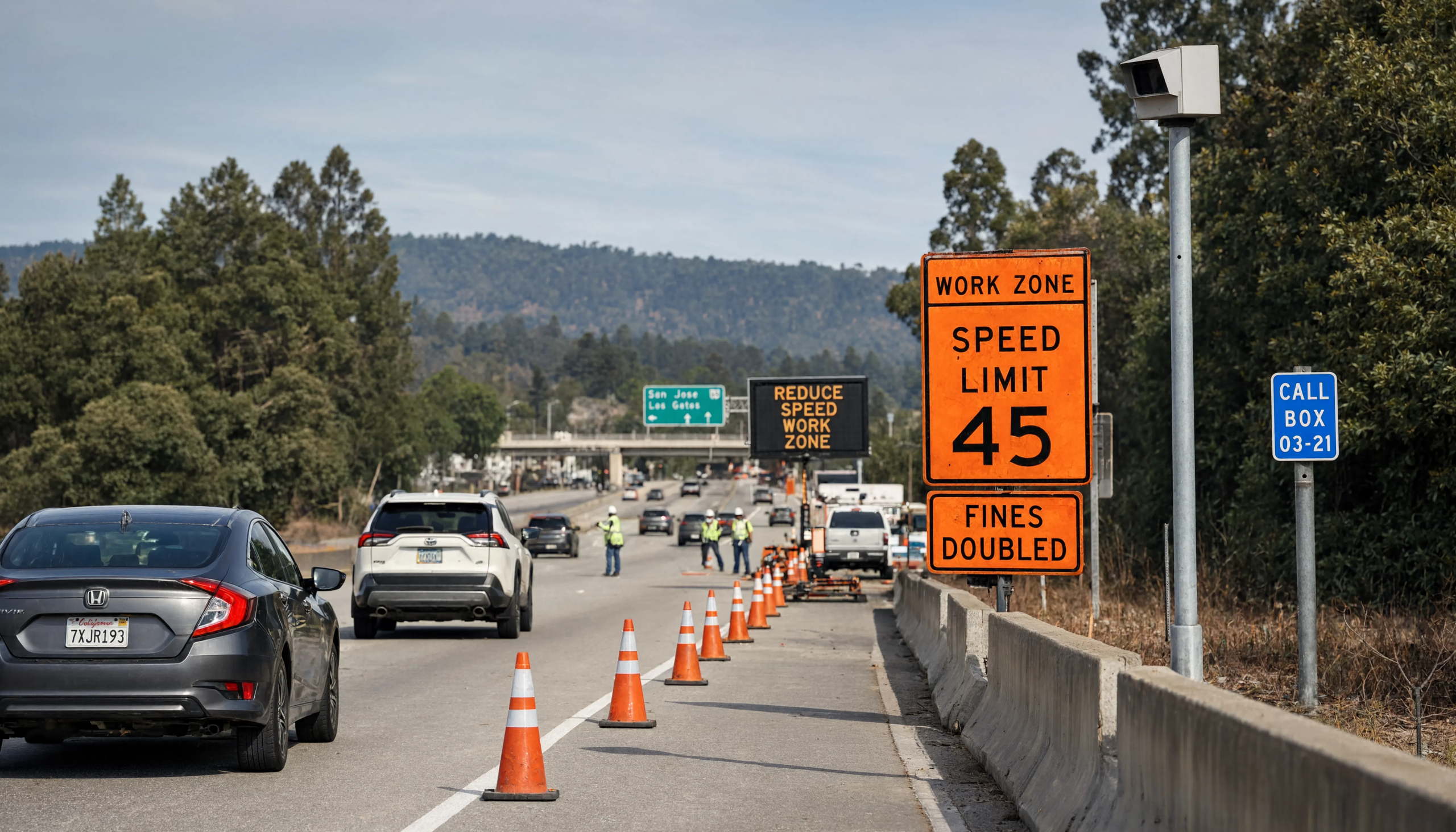
Speed Cameras Are Coming to California Work Zones – and They Could Change Your 2026 Accident Claim
Anyone who has crawled through a California construction zone knows the risk – narrowed lanes, sudden stops, and workers just feet from fast-moving traffic. In 2026, the state is trying something new to slow drivers down, and it could change how accident claims are proven. Here is what California’s new work-zone speed-camera program does, and why it matters if you are hurt in a construction-zone crash. What’s Changing in 2026 California has authorized a multi-year pilot program allowing the state’s transportation agency to use automated cameras to catch speeding in active highway construction and maintenance zones. The goal is straightforward: excessive speed is a leading cause of work-zone crashes, and cameras deter it around the clock in a way occasional patrols cannot. Why Camera Evidence Can Strengthen a Claim In work-zone crash cases, speed is often disputed – each driver remembers it differently, and conditions may have limited visibility. Objective camera data can quietly become one of the most reliable pieces of evidence about how fast a vehicle was actually traveling. When a driver was speeding through a posted work zone, that fact can support a finding of negligence and help an injured person prove what happened. If You’re Hurt in a Construction-Zone Crash Work-zone crashes can involve more than one responsible party – other drivers, and sometimes the contractors responsible for how the zone was set up and marked. If you are injured, get medical care and the police report, photograph the scene and signage, and note the lane configuration and conditions. An attorney can move quickly to preserve evidence – including any available camera or vehicle data – before it disappears. Construction-zone crashes are often serious, and the evidence that proves them is increasingly digital. If you were hurt in a California work zone, Ellin Mardirosian Law offers a free consultation to review your case and protect the evidence behind it. Helpful Resources & Links Practice Areas – Ellin Mardirosian Law Contact Ellin Mardirosian Law Website by Inspirovate Creatives Caltrans – California Department of Transportation California Legislative Information Free consultation with Ellin Mardirosian Law – call (747) 310-5200. Representing accident and injury victims across California and Nevada. Fluent in English, Spanish, and Armenian. Disclaimer: This article is general information about California (and, where noted, Nevada) law, not legal advice, and does not create an attorney-client relationship. Every case is different – for guidance on your situation, speak with a licensed attorney.
Spinal Cord Injuries After a California Accident: The Lifelong Costs and How Compensation Works
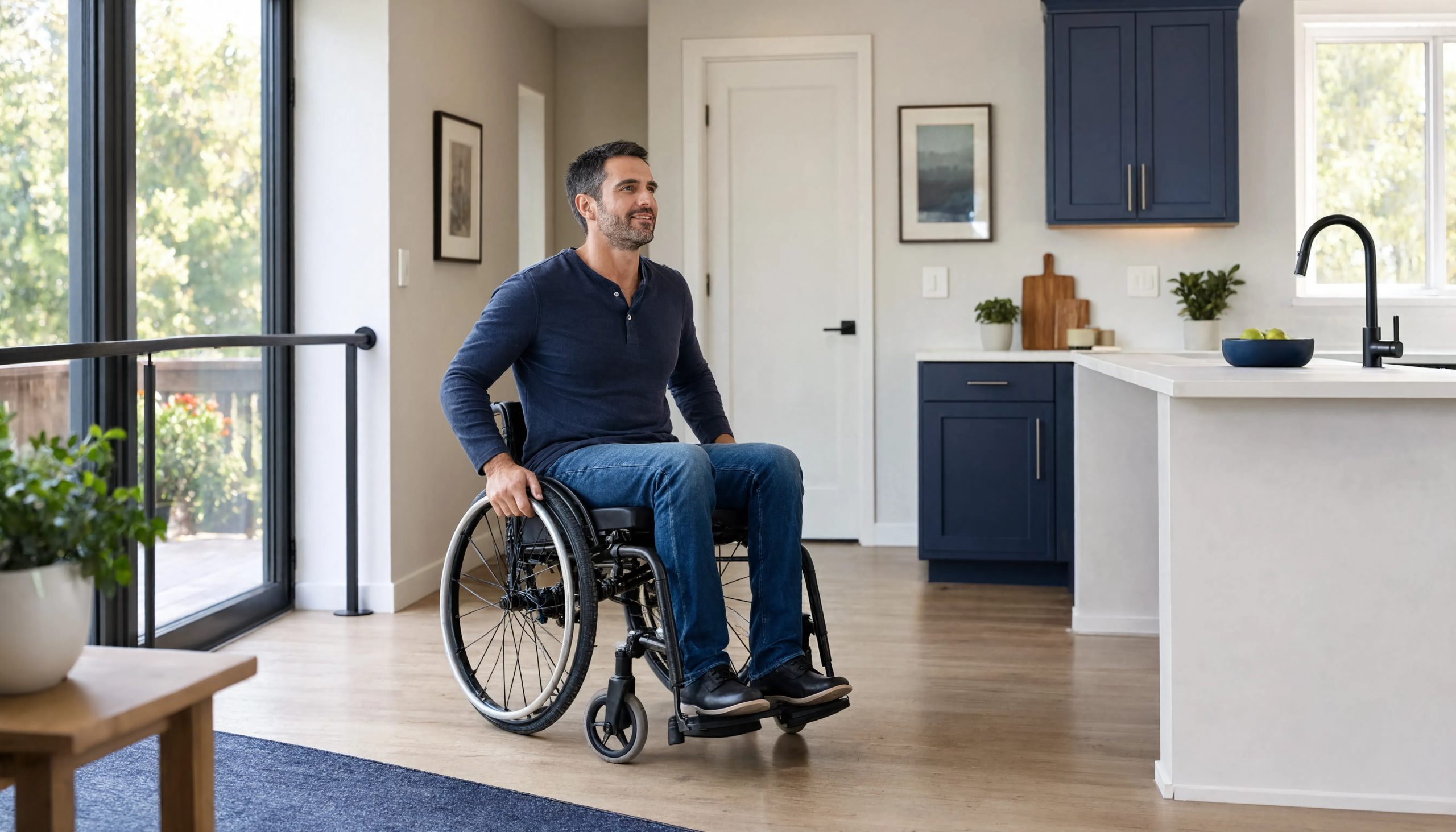
Few injuries change a life as completely, and as suddenly, as an injury to the spinal cord. In an instant, a car crash or a fall can alter how a person moves, works, and lives – often permanently. If you or a loved one has suffered a spinal cord injury, understanding what lies ahead – medically and financially – is the first step toward protecting your future. Here is what these injuries involve and how compensation works in California. What a Spinal Cord Injury Really Means The spinal cord carries signals between the brain and the rest of the body, so damage to it can cause permanent loss of movement and sensation below the point of injury. Injuries are often described as “complete” (total loss below the injury) or “incomplete” (some function remains), and as paraplegia (affecting the lower body) or tetraplegia (affecting all four limbs). Car accidents and falls are among the most common causes. The Lifelong Costs The expense of a serious spinal cord injury reaches far beyond the first hospital stay. A full picture usually includes: Ongoing medical care, surgeries, and rehabilitation Assistive equipment – wheelchairs and specialized technology – replaced over a lifetime Home and vehicle modifications for accessibility In-home caregiving or personal attendant care Lost income and reduced earning capacity, often for decades How Compensation Works in California California law entitles an injured person to recover both economic damages (measurable costs like medical bills, future care, and lost earnings) and non-economic damages (pain, suffering, and loss of enjoyment of life). In ordinary injury cases, California does not cap non-economic damages – which matters enormously when so much of the harm cannot be reduced to a receipt. Because future costs are so large, these cases often rely on medical experts and life-care planners to document what a lifetime of care will truly require. A spinal cord injury deserves careful, experienced handling – its value has to account for a lifetime, not just today. If your family is facing one, Ellin Mardirosian Law offers a free consultation to help you understand the full scope of what you may be owed. Helpful Resources & Links Catastrophic Injury – Practice Areas Related: The Hidden Costs of Serious Injuries Website by Inspirovate Creatives NINDS (NIH) – Spinal Cord Injury Mayo Clinic – Spinal Cord Injury Free consultation with Ellin Mardirosian Law – call (747) 310-5200. Representing accident and injury victims across California and Nevada. Fluent in English, Spanish, and Armenian. Disclaimer: This article is general information about California (and, where noted, Nevada) law, not legal advice, and does not create an attorney-client relationship. Every case is different – for guidance on your situation, speak with a licensed attorney.
“Slow Down, Move Over” Just Got Stricter in California: Your Rights After a Roadside Crash
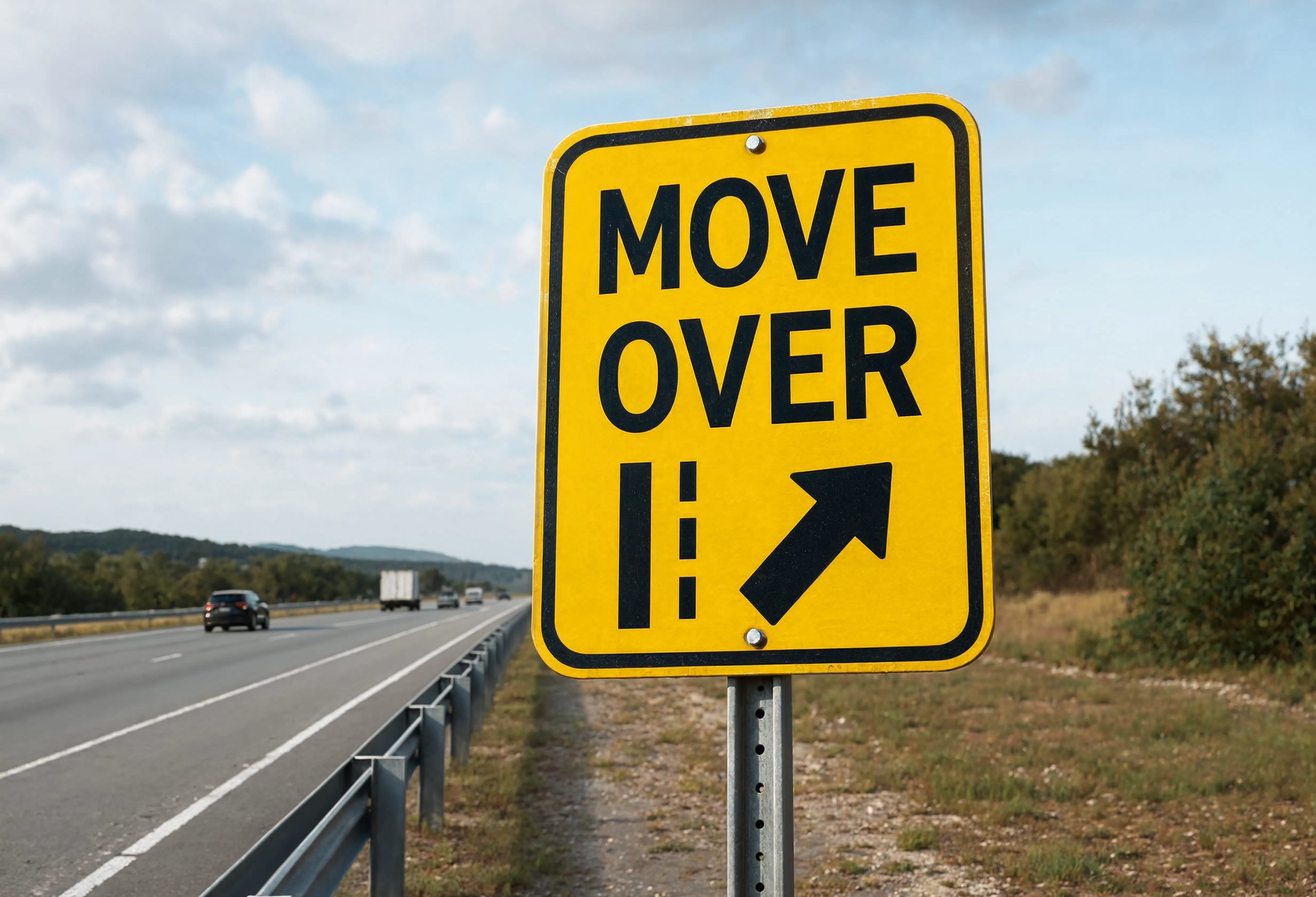
Most of us know to pull over for a fire truck or an ambulance. As of 2026, California expects more – and if you do not, it can cost you far more than a ticket. California’s “Slow Down, Move Over” law was expanded this year, and the change matters for everyone who drives – and especially for anyone hurt at the side of the road. Here is what changed and what it means for your rights. What the Law Now Requires Previously, drivers had to slow down or move over mainly for emergency vehicles and tow trucks. The 2026 update broadens that duty: you must now move over a lane – or slow down if you cannot safely change lanes – for any stopped vehicle displaying hazard lights, not just official ones. In practice, a stranded motorist on the shoulder is now entitled to the same caution you would give a police car. Why This Matters After a Crash Some of the most devastating crashes are “secondary” crashes – they happen after an initial breakdown or collision, when a second driver strikes a stopped car or a person standing outside it. The expanded law recognizes that danger, and it carries a direct legal consequence: a driver who ignores it and hits someone can be found to have broken a safety law written to prevent that exact harm, which can be powerful evidence of negligence in an injury claim. If You Were Hurt on the Roadside If you were struck while stopped on the shoulder, changing a tire, or helping at the scene of a crash, you may have a strong claim against the driver who failed to move over. As with any serious crash: get medical care, obtain the police report, photograph the scene and the vehicles, and note the conditions – and avoid giving a recorded statement to the other driver’s insurer before speaking with a lawyer. Roadside crashes are often severe, and the law is now clearly on the side of the person who was stopped. If you or someone you love was hurt on a California roadside, Ellin Mardirosian Law offers a free consultation to explain your options. Helpful Resources & Links Practice Areas – Ellin Mardirosian Law Free Consultation – Contact Us Website by Inspirovate Creatives California DMV – California Driver Handbook California Legislative Information Free consultation with Ellin Mardirosian Law – call (747) 310-5200. Representing accident and injury victims across California and Nevada. Fluent in English, Spanish, and Armenian. Disclaimer: This article is general information about California (and, where noted, Nevada) law, not legal advice, and does not create an attorney-client relationship. Every case is different – for guidance on your situation, speak with a licensed attorney.
Hit by a Drunk Driver Over Labor Day Weekend? Your Rights Under California Law
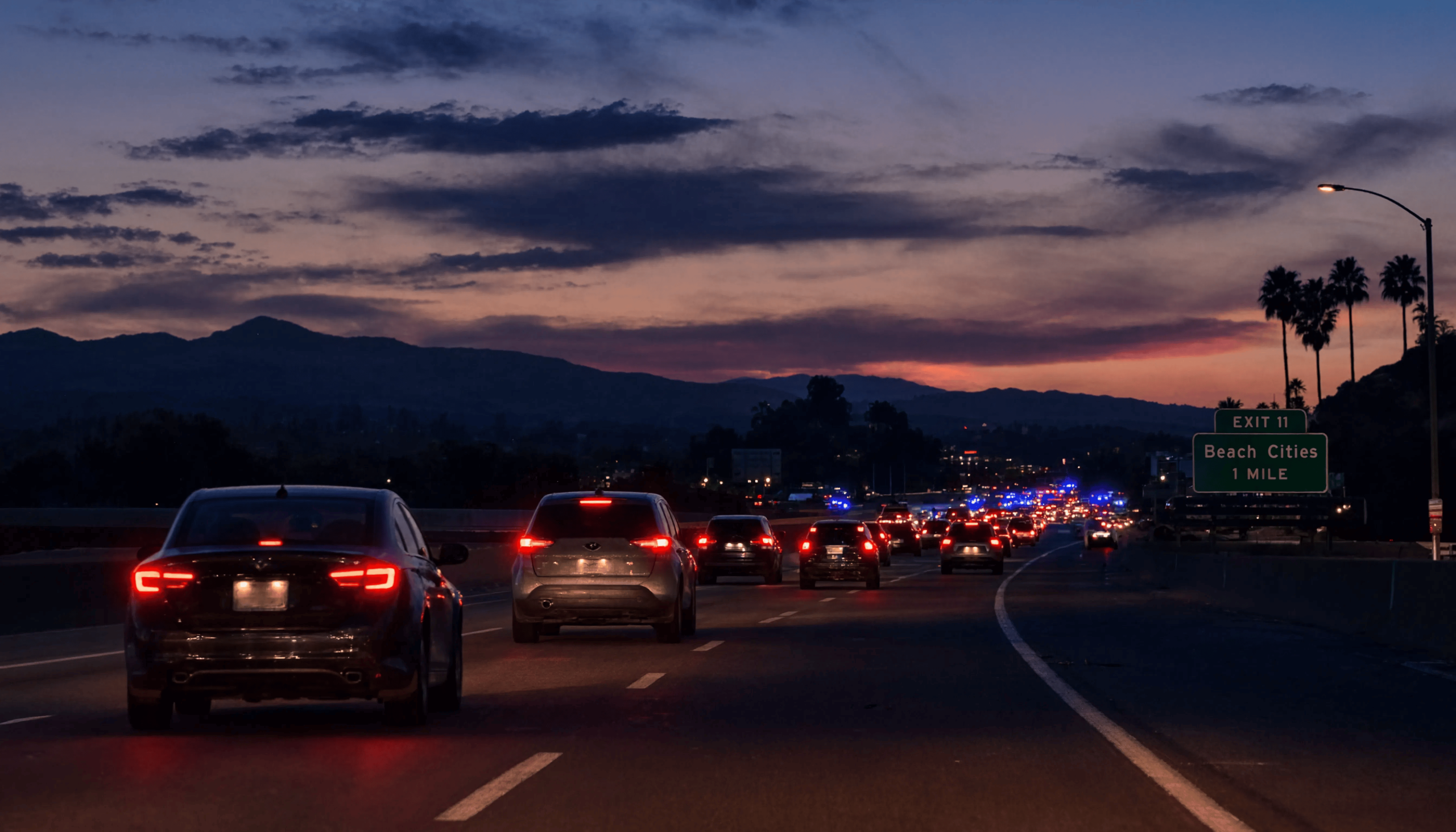
Labor Day weekend is one of the most dangerous stretches of the year on California roads, with impaired driving spiking as summer closes. If a drunk driver injured you or someone you love, you have rights that go well beyond the criminal case. Here is what California law gives victims – and how to protect a claim. Your civil claim is separate from the criminal case When a drunk driver is arrested, the criminal case belongs to the state – it can lead to penalties but does not, by itself, pay your medical bills. Your compensation comes through a separate civil claim against the driver and their insurance. The two proceed on different tracks, and you can pursue yours regardless of what happens in criminal court. Drunk-driving cases can carry punitive damages Most injury claims cover medical costs, future care, lost income, and pain and suffering. Drunk-driving cases can go further: California courts have long recognized that choosing to drive while intoxicated can support punitive damages – an additional award meant to punish especially reckless conduct. That potential is one of the features that sets these cases apart. Restitution and victim resources In the criminal case, the court can order the driver to pay victim restitution for losses like medical expenses and lost wages – separate from anything you recover civilly. California’s Victim Compensation Board may also help certain crime victims with specific costs. A California myth: who is (and isn’t) liable for serving the alcohol Many people assume the bar or host who over-served the driver can be sued. In California, that’s usually not the case: the law treats drinking the alcohol – not serving it – as the legal cause of harm, so bars, restaurants, and social hosts are generally protected. There are narrow exceptions, chiefly when alcohol is served to an obviously intoxicated minor. It’s a common misconception worth clearing up early. Insurance when the driver has little or none You’ll typically claim against the at-fault driver’s liability insurance. But drunk drivers are often underinsured or flee the scene, which is exactly when your own uninsured/underinsured motorist coverage becomes critical. Reviewing every available policy is one of the first things a lawyer does. What to do – and your deadline Call 911, get medical attention even if you feel fine, and preserve evidence: photos, witness contacts, and any dash-cam footage. Avoid recorded statements to the other insurer, and file a DMV SR-1 within 10 days. In California you generally have two years to bring an injury or wrongful-death claim – but evidence around a holiday-weekend crash disappears quickly, so early action matters. Helpful Resources & Links NHTSA – Drunk Driving California Highway Patrol California Courts – Civil Lawsuits (Self-Help) Ellin Mardirosian Law – Wrongful Death Claims in California (2026) Ellin Mardirosian Law – The Hidden Costs of Serious Injuries Ellin Mardirosian Law – Free Consultation Speak With Ellin Mardirosian Law Injured? Your consultation is free and confidential. Call (747) 310-5200 – English, Spanish, and Armenian. No fee unless we win.