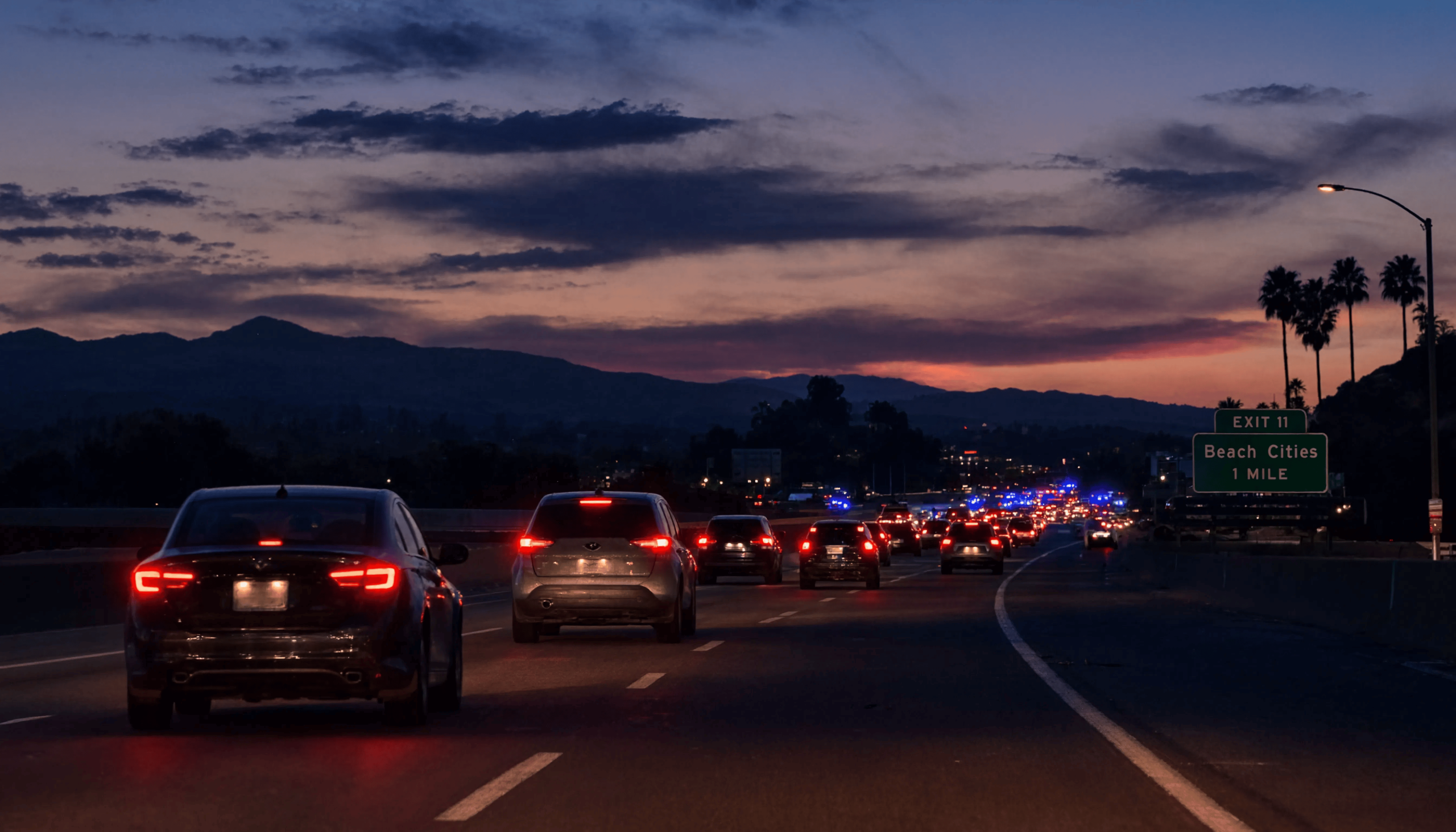
Labor Day weekend is one of the most dangerous stretches of the year on California roads, with impaired driving spiking as summer closes. If a drunk driver injured you or someone you love, you have rights that go well beyond the criminal case. Here is what California law gives victims – and how to protect a claim. Your civil claim is separate from the criminal case When a drunk driver is arrested, the criminal case belongs to the state – it can lead to penalties but does not, by itself, pay your medical bills. Your compensation comes through a separate civil claim against the driver and their insurance. The two proceed on different tracks, and you can pursue yours regardless of what happens in criminal court. Drunk-driving cases can carry punitive damages Most injury claims cover medical costs, future care, lost income, and pain and suffering. Drunk-driving cases can go further: California courts have long recognized that choosing to drive while intoxicated can support punitive damages – an additional award meant to punish especially reckless conduct. That potential is one of the features that sets these cases apart. Restitution and victim resources In the criminal case, the court can order the driver to pay victim restitution for losses like medical expenses and lost wages – separate from anything you recover civilly. California’s Victim Compensation Board may also help certain crime victims with specific costs. A California myth: who is (and isn’t) liable for serving the alcohol Many people assume the bar or host who over-served the driver can be sued. In California, that’s usually not the case: the law treats drinking the alcohol – not serving it – as the legal cause of harm, so bars, restaurants, and social hosts are generally protected. There are narrow exceptions, chiefly when alcohol is served to an obviously intoxicated minor. It’s a common misconception worth clearing up early. Insurance when the driver has little or none You’ll typically claim against the at-fault driver’s liability insurance. But drunk drivers are often underinsured or flee the scene, which is exactly when your own uninsured/underinsured motorist coverage becomes critical. Reviewing every available policy is one of the first things a lawyer does. What to do – and your deadline Call 911, get medical attention even if you feel fine, and preserve evidence: photos, witness contacts, and any dash-cam footage. Avoid recorded statements to the other insurer, and file a DMV SR-1 within 10 days. In California you generally have two years to bring an injury or wrongful-death claim – but evidence around a holiday-weekend crash disappears quickly, so early action matters. Helpful Resources & Links NHTSA – Drunk Driving California Highway Patrol California Courts – Civil Lawsuits (Self-Help) Ellin Mardirosian Law – Wrongful Death Claims in California (2026) Ellin Mardirosian Law – The Hidden Costs of Serious Injuries Ellin Mardirosian Law – Free Consultation Speak With Ellin Mardirosian Law Injured? Your consultation is free and confidential. Call (747) 310-5200 – English, Spanish, and Armenian. No fee unless we win.
Do You Really Need a Personal Injury Lawyer? When Handling a Claim Alone Costs You More
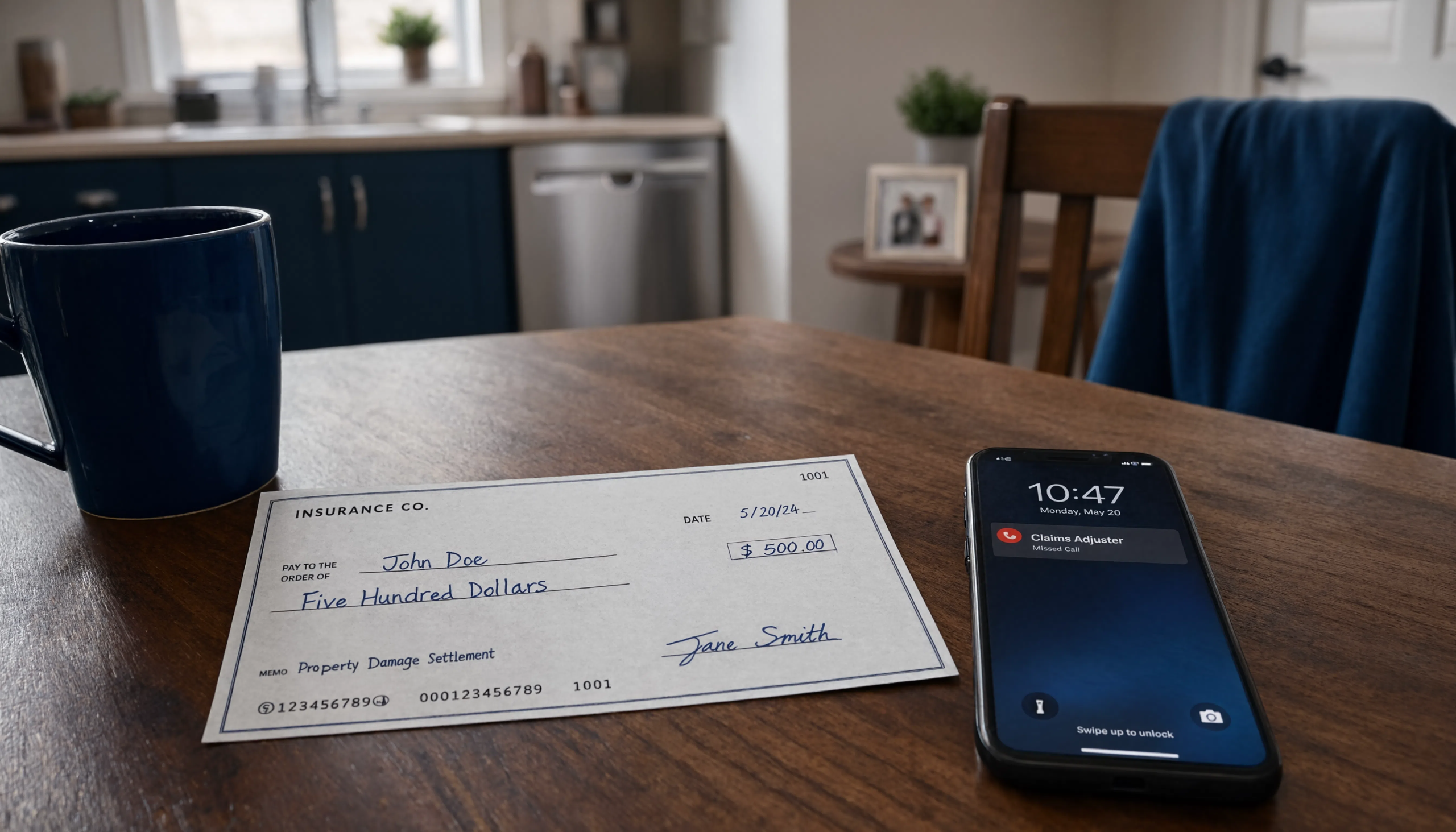
After an accident, plenty of people wonder whether hiring a lawyer is worth it – especially when the insurer sounds friendly and offers a quick check. Sometimes you can handle a small claim yourself. Often, going it alone quietly costs you more than a lawyer ever would. Here’s how to tell the difference. How injury lawyers get paid (and why it lowers the barrier) Most personal injury lawyers work on contingency: no money upfront, and a fee only if they recover for you – typically about a third of the result. Consultations are free. That structure means the real question usually isn’t whether you can afford a lawyer; it’s whether representation will net you more than handling the claim yourself. What the numbers tend to show Insurers are experienced, repeat players who settle claims for a living. Industry research has found that, on average, represented claimants recover more than those who go it alone – even after attorney fees are taken out. That’s not a guarantee in any single case, but it reflects a real dynamic in how claims are valued and negotiated. When you probably don’t need a lawyer If there were no injuries or only very minor ones, the damage is limited to your vehicle, fault is clear, and the dollars are small, you may be fine on your own. California’s small claims court handles disputes up to $12,500 for individuals (and $6,250 for businesses), which can be the right venue for minor property-damage cases. When handling it alone can cost you Certain cases call for help: serious or permanent injuries, disputed or shared fault, multiple parties, a commercial or corporate defendant, a rideshare or driverless-car crash, a government defendant (with its short deadlines), a wrongful death, or an insurer that denies the claim or lowballs it. Pre-existing conditions and uninsured or underinsured drivers also complicate things quickly. The mistakes that quietly shrink a claim The most common are settling before you know the full extent of your injuries (and future care), signing a release that closes the door for good, giving a recorded statement the adjuster uses against you, and – worst of all – letting the deadline pass. In California you generally have two years to file, and as little as six months against a government entity. What a lawyer actually does A good attorney investigates, preserves evidence before it disappears, values your claim including future costs, deals with the insurer so you don’t have to, negotiates from a position of strength, and takes the case to court if the offer isn’t fair. The point isn’t paperwork – it’s making sure the claim reflects everything you’ve actually lost. Helpful Resources & Links California Courts – Civil Lawsuits (Self-Help) State Bar of California Ellin Mardirosian Law – How Insurance Companies Try to Reduce Injury Settlements Ellin Mardirosian Law – When Insurance Companies Challenge Liability Ellin Mardirosian Law – About Us Ellin Mardirosian Law – Free Consultation Speak With Ellin Mardirosian Law Injured? Your consultation is free and confidential. Call (747) 310-5200 – English, Spanish, and Armenian. No fee unless we win.

Slip-and-Fall and Premises Liability in California: When a Property Owner Is Legally Responsible
A slip, trip, or fall can cause serious, lasting injuries – but a property owner is not automatically responsible just because you were hurt on their premises. California law asks a specific question: did the owner act reasonably to keep the property safe? Here’s when the answer makes them legally liable. The duty every property owner owes In California, property owners and occupiers owe a duty of reasonable care to keep their premises reasonably safe for people who are lawfully there. The state long ago replaced the rigid old categories of visitor with a single, flexible negligence standard, so the focus is on what a reasonable owner would have done under the circumstances. What you actually have to prove A premises case has four parts: the owner owed a duty, breached it, and that breach caused your injuries and damages. The pivotal issue is usually notice – you generally must show the owner knew, or through reasonable inspection should have known, about the dangerous condition and had time to fix it or warn. You don’t always need proof of exactly how long a spill sat there; circumstantial evidence that a reasonable inspection would have caught it can be enough. Common hazards that lead to claims Typical cases involve wet or slippery floors, spills left unattended, uneven or broken pavement and stairs, missing handrails, poor lighting, and cluttered walkways. Inadequate security can also give rise to a claim when a foreseeable assault occurs because a property was left unreasonably unsafe. Comparative fault: the insurer’s favorite argument California reduces your recovery by your own share of fault. Expect the property’s insurer to argue you weren’t watching where you were going, ignored a warning, wore unsafe footwear, or entered an area that was clearly closed off. An obvious hazard can limit a claim, but it rarely bars one outright – being partly at fault does not end your right to recover. Who can be responsible Depending on the facts, a business, landlord, property manager, or homeowners’ association may be liable – and so may a government entity when the dangerous condition is on public property. Public-entity claims follow special rules and much shorter deadlines. Deadlines and evidence You generally have two years to file a premises claim in California – but if government property is involved, you may have as little as six months to file an administrative claim first. Evidence vanishes fast: spills get cleaned and security video is often overwritten within days. Report the incident, get the report, photograph the scene, keep your footwear, and see a doctor promptly. Helpful Resources & Links California Courts – Civil Lawsuits (Self-Help) California Courts – Find Your Self-Help Center Ellin Mardirosian Law – The Hidden Costs of Serious Injuries Ellin Mardirosian Law – When Insurance Companies Challenge Liability Ellin Mardirosian Law – Practice Areas Ellin Mardirosian Law – Free Consultation Speak With Ellin Mardirosian Law Injured? Your consultation is free and confidential. Call (747) 310-5200 – English, Spanish, and Armenian. No fee unless we win.
Uber and Lyft Accidents in California: How Rideshare Insurance Coverage Actually Works
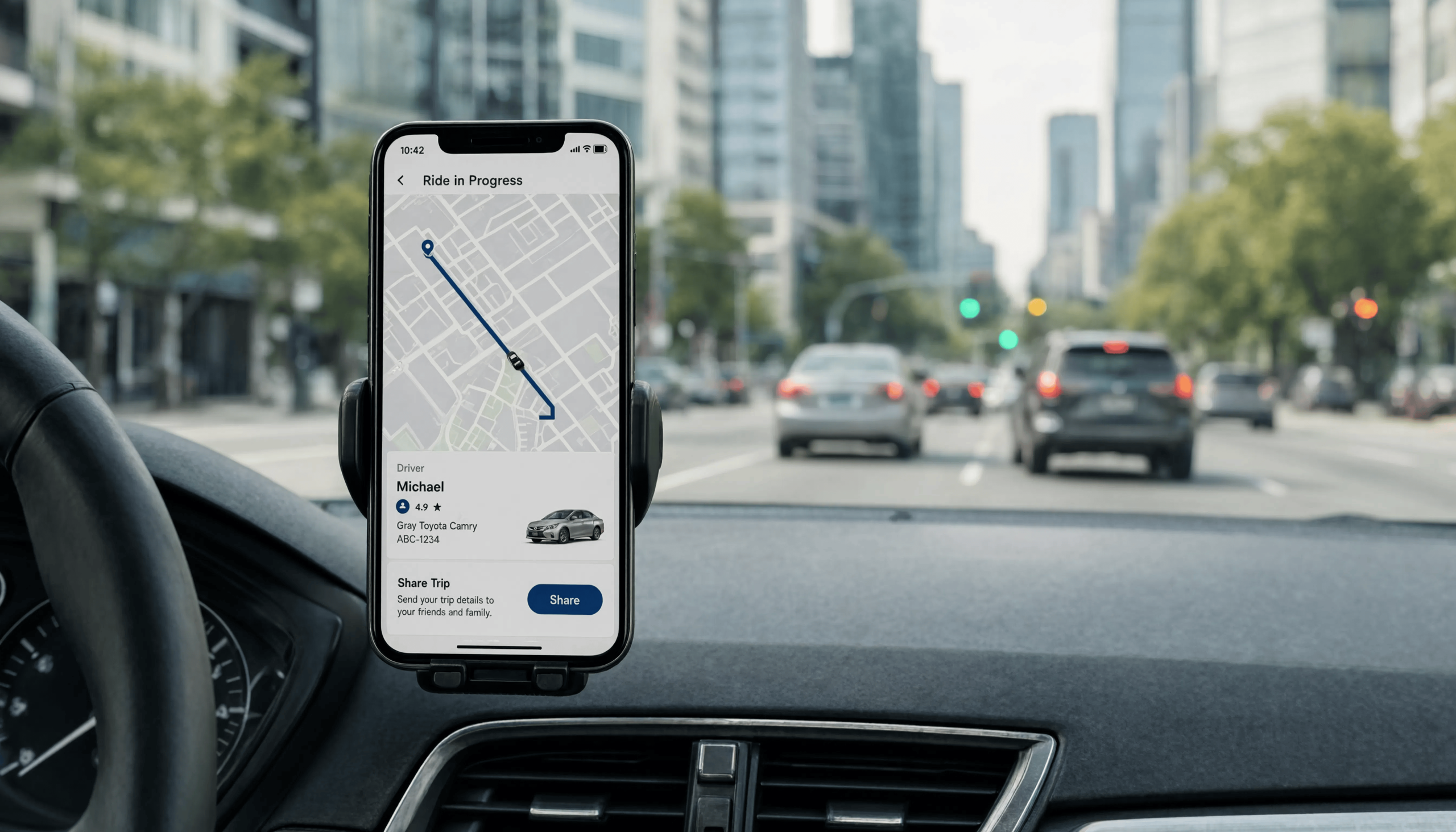
After an Uber or Lyft crash, the first real question is often not who was careless – it’s which insurance policy applies. In California, coverage can swing from modest to a million dollars depending on exactly what the driver was doing at the moment of impact. Here is how rideshare insurance actually works, including an important change that took effect in 2026. It comes down to the driver’s “period” California regulates Uber and Lyft as transportation network companies through the Public Utilities Commission. Coverage is divided into periods based on the app’s status. App off: the driver’s personal auto policy applies. Period 1 (app on, waiting for a ride): the company provides at least $50,000 per person, $100,000 per crash, and $30,000 for property damage, plus $200,000 in excess coverage. Periods 2 and 3 (a ride is accepted and the driver is en route or carrying a passenger): a $1 million commercial liability policy applies. The 2026 change every passenger should know For policies issued or renewed on or after October 1, 2025, Senate Bill 371 cut the uninsured/underinsured motorist coverage that rideshare companies must carry – from $1 million down to $60,000 per person and $300,000 per incident. The $1 million liability coverage that applies when the rideshare driver is at fault is unchanged. But if you are a passenger and an uninsured or hit-and-run driver causes the crash, the pool of money available to you is now far smaller than it used to be. The practical takeaway: carry meaningful uninsured-motorist coverage on your own policy. Which period applies is a factual fight You usually can’t tell from the scene whether a driver was merely logged in or had already accepted a ride – and that distinction can change a claim’s value dramatically. The proof lives in the app’s timestamps: when the driver went online, accepted the trip, picked up, and dropped off. Save your trip receipt and any screenshots; they can be decisive. Can you sue Uber or Lyft directly? Usually the claim is against the company’s commercial insurance rather than the company itself. Proposition 22’s independent-contractor classification limits the traditional argument that Uber or Lyft is automatically responsible for a driver’s conduct, but direct claims – for example, negligent hiring or safety failures – remain possible in the right circumstances. If you’re a passenger, you’re rarely at fault As a passenger you almost never share blame, which puts you in a strong position – but you’ll still deal with insurance adjusters whose job is to keep payouts low. Knowing the tactics they use is half the battle. Deadlines You generally have two years to file a rideshare injury claim in California, and as little as six months if a government vehicle was involved. Medical records, app data, and witness memories fade – the sooner a claim is documented, the stronger it is. Helpful Resources & Links California PUC – Rideshare (TNC) Insurance Requirements California DMV – Report a Traffic Accident (SR-1) Ellin Mardirosian Law – How Insurance Companies Try to Reduce Injury Settlements Ellin Mardirosian Law – When Insurance Companies Challenge Liability Ellin Mardirosian Law – Practice Areas Ellin Mardirosian Law – Free Consultation Speak With Ellin Mardirosian Law Injured? Your consultation is free and confidential. Call (747) 310-5200 – English, Spanish, and Armenian. No fee unless we win.
New E-Bike and E-Scooter Laws in California (2026): What Every Rider Needs to Know
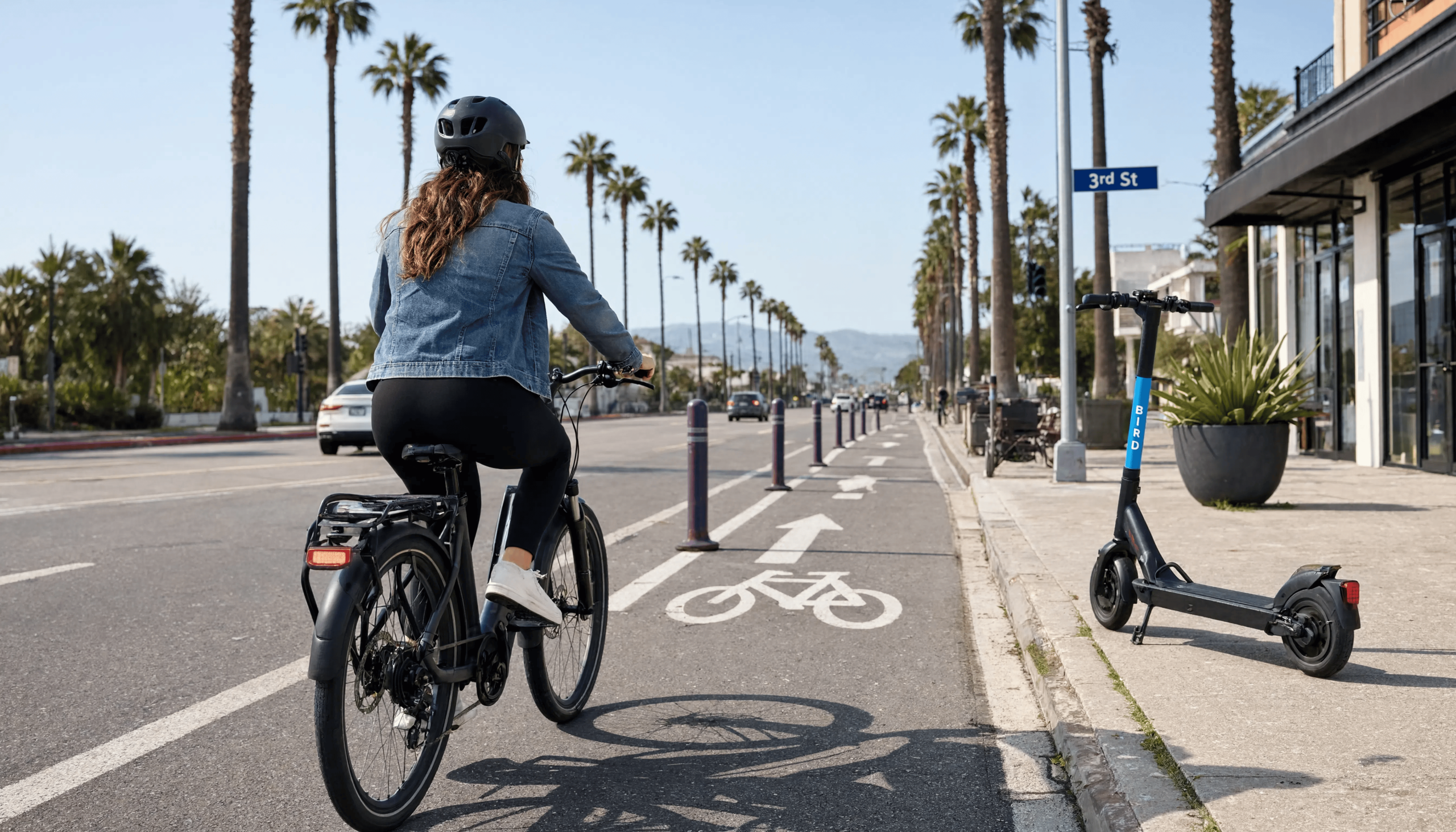
E-bikes and e-scooters are everywhere in California, and in 2026 the rules that govern them changed. Some updates are small; others can decide who is at fault after a crash. Here is a plain-English guide to what’s new – and what every rider should know to stay legal and protected. The three-class system still applies California sorts e-bikes into three classes (Vehicle Code §312.5): Class 1 (pedal-assist up to 20 mph), Class 2 (throttle up to 20 mph), and Class 3 (pedal-assist up to 28 mph, with a speedometer). A legal e-bike must have working pedals and a motor of 750 watts or less. Class 1 and 2 riders can be any age; Class 3 riders must be at least 16. Helmets are required for all Class 3 riders and for anyone under 18 on any class. New for 2026: a rear light or reflector at all times E-bikes must now have a rear red reflector, or a red rear light with a built-in reflector, visible from 500 feet — during the day as well as at night. Previously the rule applied only after dark. Visibility disputes are common in bike-versus-car cases, so this small piece of equipment can matter a great deal. New for 2026: battery safety certification Under Senate Bill 1271, e-bikes, e-scooters, batteries, and chargers sold or leased in California must now be tested and certified by an accredited lab (look for UL 2849 on bikes and chargers and UL 2271 on batteries) and clearly labeled. The law targets the fire risk from cheap, uncertified lithium-ion batteries. It applies to new sales; rental fleets have until 2028 to comply. You don’t have to replace a battery you already own, but a questionable replacement pack is both a safety hazard and a potential liability issue. Modifying your bike can change what it legally is If a device is altered to exceed 750 watts or its class speed, or its pedals are removed, it may no longer qualify as an e-bike — it can become a moped or motorcycle, which triggers a license, registration, insurance, and plates. New for 2026, officers also have authority to impound certain over-powered devices ridden without a license, and Class 3 e-bikes ridden by anyone under 16. It is now illegal to sell or advertise a device as an “electric bicycle” if it doesn’t meet the legal definition. E-scooters follow different rules Stand-up e-scooters are treated more strictly. Riders need a valid driver’s license or permit, must be at least 16, are capped at 15 mph, and may not ride on sidewalks — use the bike lane, or a road posted at 25 mph or less. Helmets are required under 18. You can be charged with DUI on a scooter just as in a car, and local cities routinely add their own limits, so check before you ride. Why the rules matter if you’re hurt California’s comparative-fault rule means your own conduct affects your recovery. A rider who was wearing a helmet, using lights, staying in the proper lane, and riding sober is in a much stronger position than one who wasn’t — and following the law can directly increase what you recover. When a defective battery or bike causes a fire or a crash, a product-liability claim against the maker or seller may also be available. Helpful Resources & Links California DMV – Motorcycles, Mopeds & Scooters California Highway Patrol – Motorcycles & Similar Vehicles Ellin Mardirosian Law – Pedestrian Accidents in California (related reading) Ellin Mardirosian Law – Practice Areas Ellin Mardirosian Law – Free Consultation Speak With Ellin Mardirosian Law Injured? Your consultation is free and confidential. Call (747) 310-5200 – English, Spanish, and Armenian. No fee unless we win.
Robotaxi Accidents in Los Angeles: Who Is Liable When a Self-Driving Car Causes a Crash?
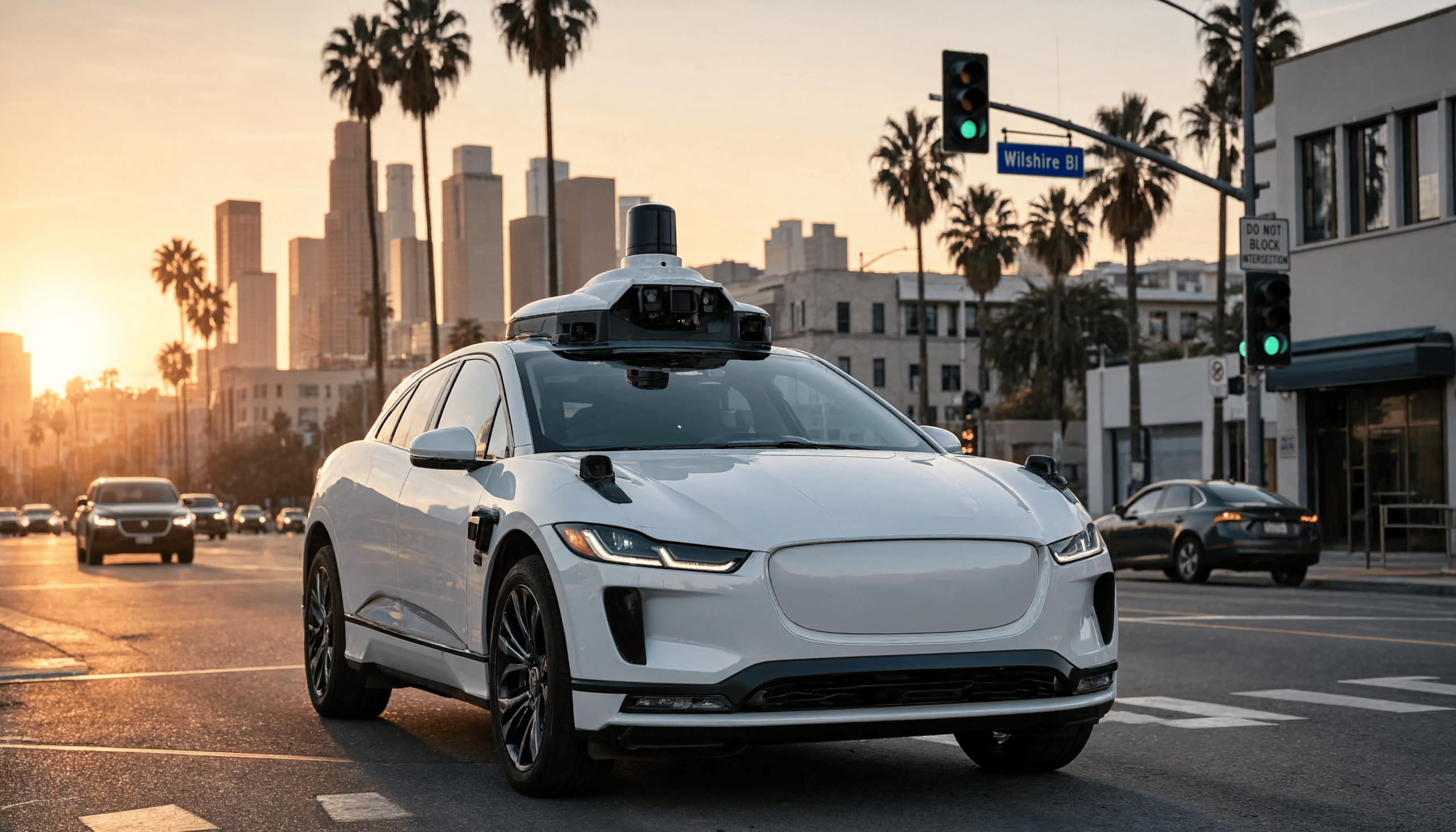
Driverless robotaxis are now a normal sight on Los Angeles streets. Waymo – the autonomous-vehicle company owned by Google’s parent, Alphabet – runs a paid, fully driverless service across large parts of the city. When one of these vehicles is involved in a crash, the question of who pays looks nothing like an ordinary car accident. Here is how liability works in California when there is no human behind the wheel. Why a robotaxi crash is different In a typical collision, you exchange information with the other driver and file against that driver’s insurance. A robotaxi has no driver at the scene, so the analysis shifts to the machine and the companies behind it. Fault usually moves to the vehicle’s owner-operator and the makers of its automated driving system — and often more than one company shares responsibility. Who can be held responsible Several parties may be on the hook. The operator (here, Waymo/Alphabet) can be liable if its self-driving system caused the crash. The vehicle manufacturer – Waymo’s fleet is built on cars from automakers such as Jaguar – may share blame for a mechanical defect like brakes or steering. A third-party maintenance contractor can be liable for poor upkeep, and another human driver can be partly at fault as well. Product liability and negligence Robotaxi cases typically run on two legal theories. Under California’s strict product-liability rule, the maker of a defective product – including defective software, sensors, or perception logic – can be held responsible without proof of ordinary carelessness. A negligence claim can also apply, for example when a company’s remote-monitoring team fails to intervene or a vehicle is poorly maintained. California’s comparative-fault rule California uses pure comparative negligence, so fault can be split among the company, other drivers, and even the injured person. Your compensation is reduced by your share of fault but not eliminated – even if you were partly responsible, you can still recover. The evidence lives in the software These cases turn on data most people never see – sensor readings, software logs, and the vehicle’s event recorder. That information can be overwritten quickly, so it must be preserved fast. If you were a passenger, screenshot the app and your trip details. Do not give a recorded statement to the company or its insurer before speaking with a lawyer. How California regulates driverless cars The California DMV licenses autonomous vehicles under separate testing and deployment permits and requires companies to report every collision involving property damage, injury, or death. In 2026 the state adopted its most comprehensive AV rules yet – letting law enforcement cite AV companies for their vehicles’ moving violations, requiring rapid responses to first responders, and giving regulators new tools to restrict fleets. Companies must also carry substantial insurance, which can mean far more coverage than an individual driver’s policy. Deadlines and what your claim can include In California you generally have two years to file an injury claim, and as little as six months if a public entity is involved – so act early. A successful claim can cover medical bills, future care, lost income and earning capacity, and pain and suffering. Because the defendant is often a large corporation, the available compensation can be significant, but the litigation is complex and evidence-intensive. Helpful Resources & Links California DMV – Autonomous Vehicles Program California DMV – New Autonomous Vehicle Regulations (2026) California Courts – Civil Lawsuits (Self-Help) Ellin Mardirosian Law – Commercial Truck Accidents (related reading) Ellin Mardirosian Law – Practice Areas Ellin Mardirosian Law – Free Consultation Speak With Ellin Mardirosian Law Injured? Your consultation is free and confidential. Call (747) 310-5200 – English, Spanish, and Armenian. No fee unless we win.
Pedestrian Accidents in California: Common Causes and Legal Considerations
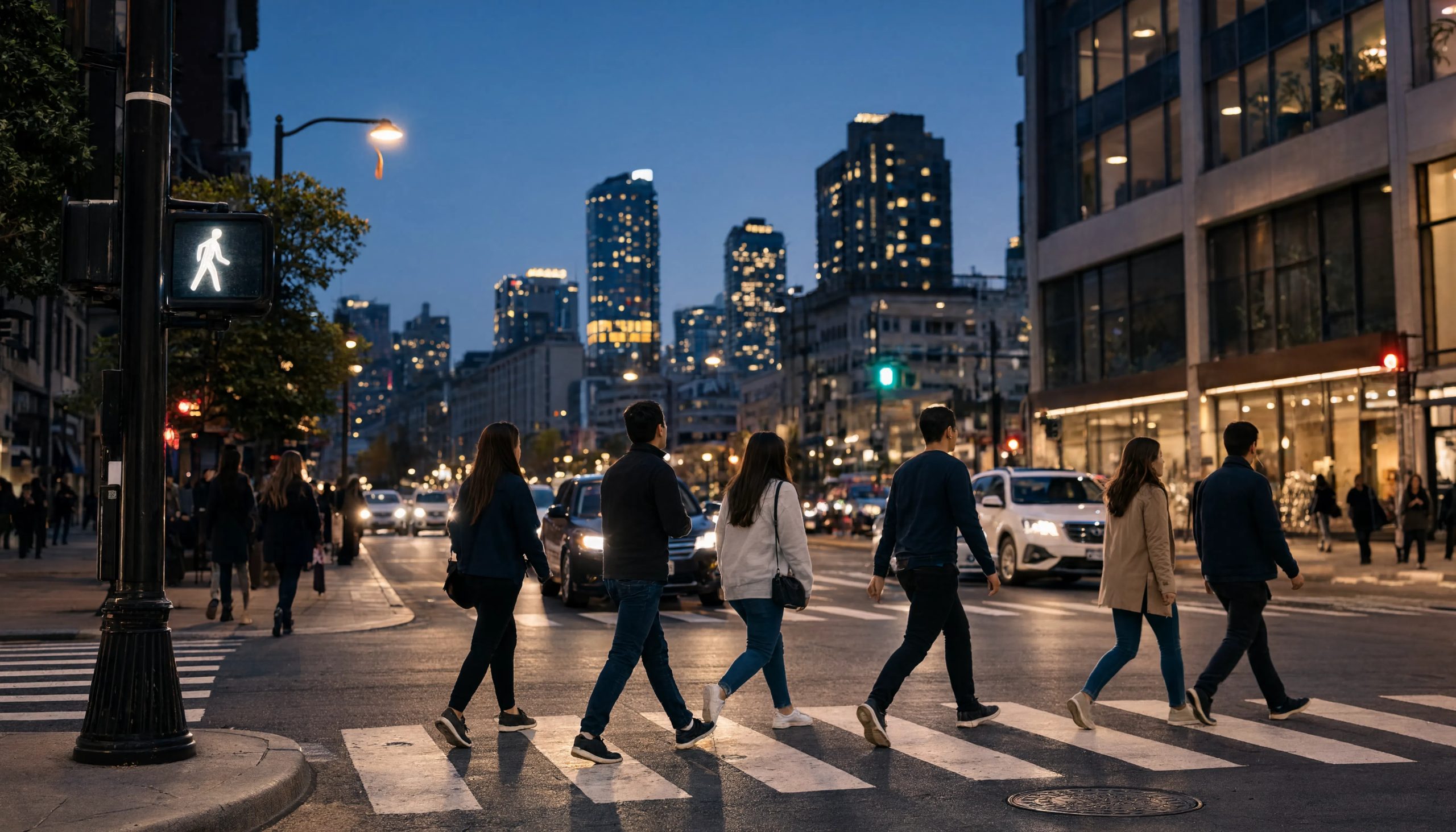
Pedestrian Accidents in California: CommonCauses and Legal Considerations California is one of the most dangerous states in the country for people on foot. The Governors Highway Safety Association recorded about 7,100 U.S. pedestrian deaths in 2024, and California regularly reports among the highest totals of any state. With no airbag to protect them, pedestrians often suffer devastating injuries. Why These Crashes Happen Most trace to a few driver behaviors: failing to yield, distraction, speeding, impairment, and poor visibility after dark. Left turns at intersections are a recurring danger, and bigger, heavier vehicles plus higher speeds sharply raise the risk of death. California Law: Rights & Duties Vehicle Code section 21950 requires drivers to yield to pedestrians in crosswalks, while pedestrians must use care and not step suddenly into traffic. The Freedom to Walk Act (effective January 1, 2023) decriminalized safe mid-block crossing – but a pedestrian’s duty of care still applies in a civil case. Fault, Hit-and-Run & What to Do Under pure comparative negligence, an injured pedestrian can recover even if partly at fault, reduced by their share — so insurers try to shift blame. Hit-and-run is a serious problem (about one in four pedestrian deaths nationally involve a fleeing driver), where your own uninsured-motorist coverage may help. After a crash: get medical care, report it, and gather photos and witness information. Helpful Resources & Links GHSA – Pedestrian Traffic Fatalities by State (2024 Data) California Office of Traffic Safety – Pedestrian Safety California Legislative Information – AB 2147 (Freedom to Walk Act) Ellin Mardirosian Law – Practice Areas Ellin Mardirosian Law – Free Consultation Speak With Ellin Mardirosian Law Injured? Your consultation is free and confidential. Call (747) 310-5200 – English, Spanish, and Armenian. No fee unless we win.
The Hidden Costs of Serious Injuries: Beyond Medical Bills and Lost Income
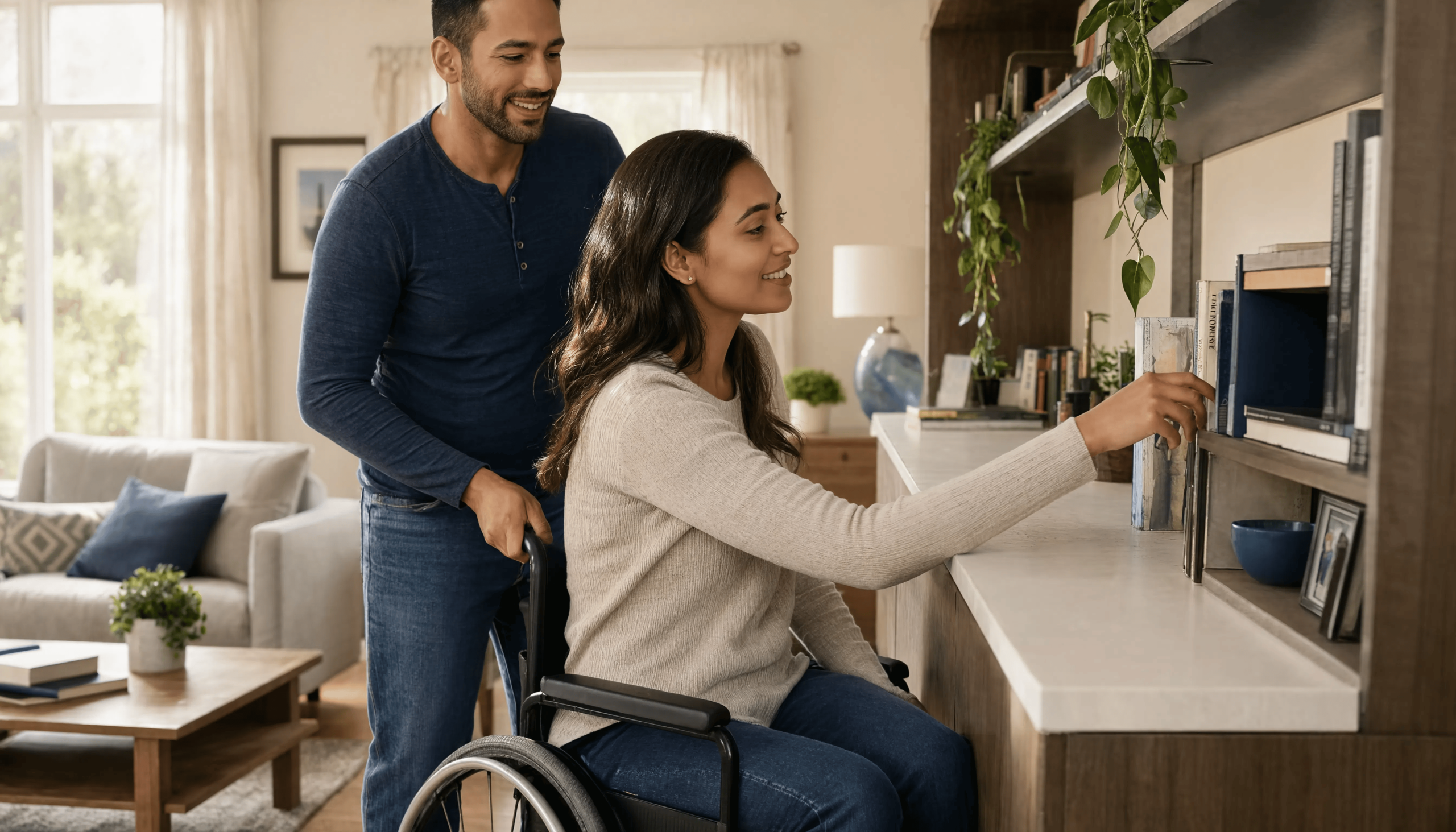
People usually picture two costs after a serious injury: medical bills and missed paychecks. For someone living with a catastrophic injury, those are only the start – the real cost reaches into nearly every part of daily life, often for years. Future Care & Lost Earning Capacity Today’s bills rarely reflect future surgeries, therapy, medication, and devices – a severe spinal injury alone can cost millions over a lifetime. And beyond missed wages is lost earning capacity: the income a person can no longer earn because the injury limits the work they can do. The Costs No One Sees Serious injuries quietly create expenses that never hit a hospital bill – help with cleaning, cooking, and childcare; home modifications like ramps and grab bars; vehicle adaptations; and endless travel to appointments. Small individually, they add up fast. The Non-Economic Toll Some costs cannot be invoiced: chronic pain, anxiety, lost sleep, and no longer enjoying hobbies or family life. California recognizes these as non-economic damages – pain and suffering, emotional distress, loss of enjoyment – with no cap in most ordinary injury cases (medical malpractice follows separate rules). A loved one’s loss of companionship may counttoo. Helpful Resources & Links CDC – Injury & Violence Prevention Christopher & Dana Reeve Foundation – Cost of Paralysis Ellin Mardirosian Law – Practice Areas Ellin Mardirosian Law – Free Consultation Speak With Ellin Mardirosian Law Injured? Your consultation is free and confidential. Call (747) 310-5200 – English, Spanish, and Armenian. No fee unless we win.
Commercial Truck Accidents: Why These Cases Often Result in Higher Settlements
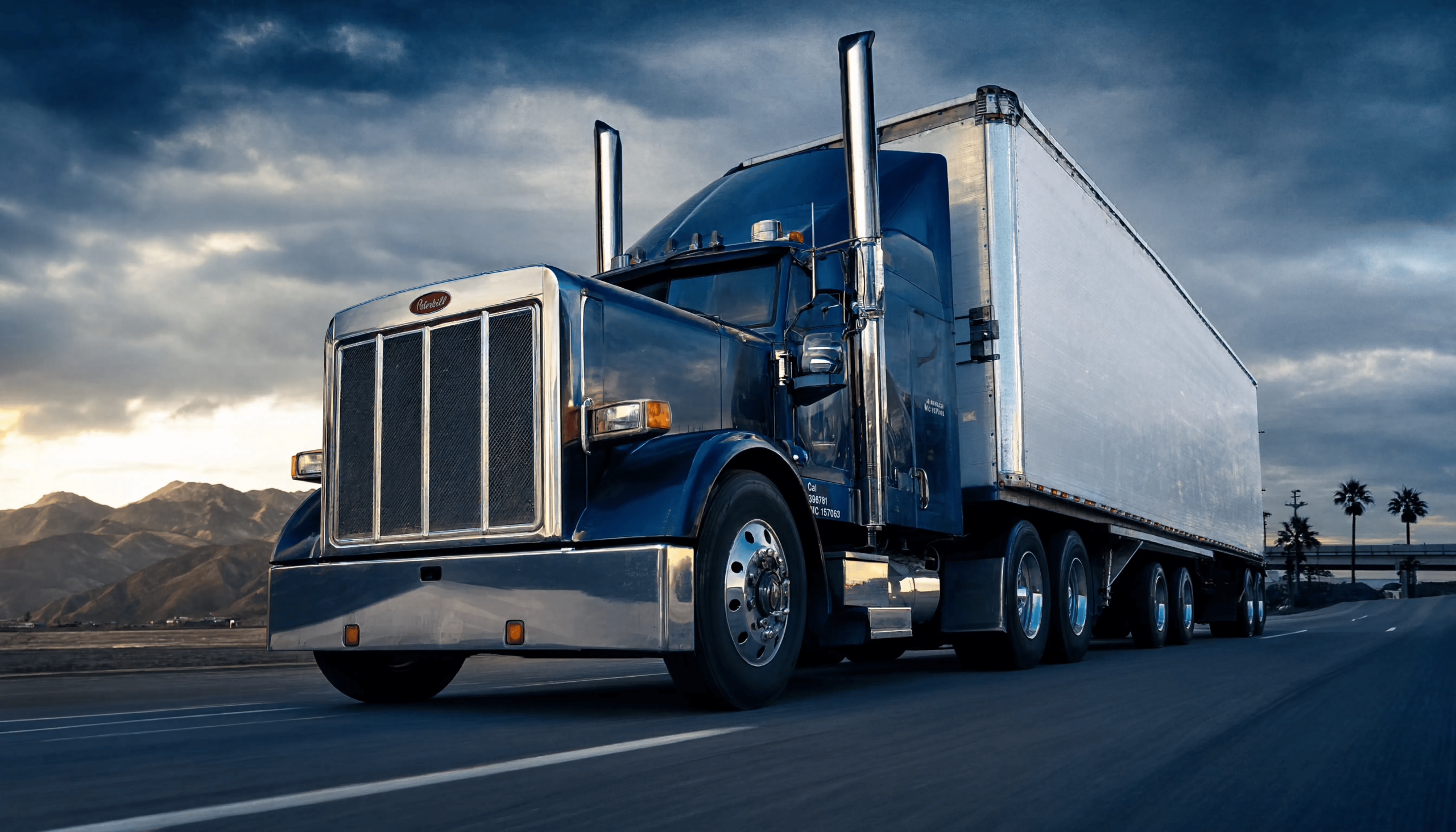
A wrongful death claim cannot undo your loss, but it can hold the responsible party accountable and provide stability for the family left behind. In 2026, an important change in California law makes understanding these claims more time-sensitive than ever. What These Claims Cover Under California Code of Civil Procedure section 377.60, a wrongful death claim belongs to the deceased’s eligible survivors – usually a spouse or partner and children. It covers funeral and burial costs, lost financial support, and the loss of love, companionship, care, and guidance. Multiple Parties, Multiple Policies A truck crash can involve the driver, the trucking company, the trailer owner, a maintenance contractor, the cargo loader, or a parts manufacturer. Each can mean another insurance policy and a deeper pool of available compensation. Federal Rules Create Evidence Carriers are governed by the FMCSA. Hours-of-Service limits fight fatigue, and trucks hauling general freight across state lines must carry at least $750,000 in liability coverage (up to $5 million for hazardous materials). Violations — over-hours driving, skipped inspections, falsified logs — become strong proof of negligence, but the data can be erased if you do not act fast. Helpful Resources & Links FMCSA — Large Truck & Bus Crash Facts FMCSA — Hours of Service Rules Ellin Mardirosian Law – Practice Areas Ellin Mardirosian Law – Free Consultation Speak With Ellin Mardirosian Law Injured? Your consultation is free and confidential. Call (747) 310-5200 – English, Spanish, and Armenian. No fee unless we win.
Wrongful Death Claims in California: What FamiliesNeed to Know in 2026
Wrongful Death Claims in California: What FamiliesNeed to Know in 2026 Wrongful Death Claims in California: What FamiliesNeed to Know in 2026 Wrongful Death Claims in California: What FamiliesNeed to Know in 2026 Wrongful Death Claims in California: What FamiliesNeed to Know in 2026 Wrongful Death Claims in California: What FamiliesNeed to Know in 2026 A wrongful death claim cannot undo your loss, but it can hold the responsible party accountable and provide stability for the family left behind. In 2026, an important change in California law makes understanding these claims more time-sensitive than ever. What These Claims Cover Under California Code of Civil Procedure section 377.60, a wrongful death claim belongs to the deceased’s eligible survivors – usually a spouse or partner and children. It covers funeral and burial costs, lost financial support, and the loss of love, companionship, care, and guidance. Two Claims: Wrongful Death vs. Survival Action California recognizes two claims after a death: the wrongful death claim (the family’s losses) and a separate survival action by the estate (losses the person suffered before death, such as medical bills). They are often filed together – and the survival action is where 2026 matters. The 2026 Change & Strict Deadlines From 2022 through 2025, SB 447 let estates recover the deceased’s pre-death pain and suffering in survival actions. That window has closed: as of January 1, 2026, survival recoveries are again limited to economic losses (CCP section 377.34). Wrongful death suits generally must be filed within two years (CCP section 335.1), with much shorter deadlines against government entities – so confirm the current law with an attorney early. Helpful Resources & Links California Legislative Information – CCP § 377.60 (Wrongful Death) California Legislative Information – CCP § 377.34 (Survival Actions) California Courts – Deadlines to Sue Ellin Mardirosian Law – Practice Areas Ellin Mardirosian Law – Free Consultation Speak With Ellin Mardirosian Law Injured? Your consultation is free and confidential. Call (747) 310-5200 – English, Spanish, and Armenian. No fee unless we win.