




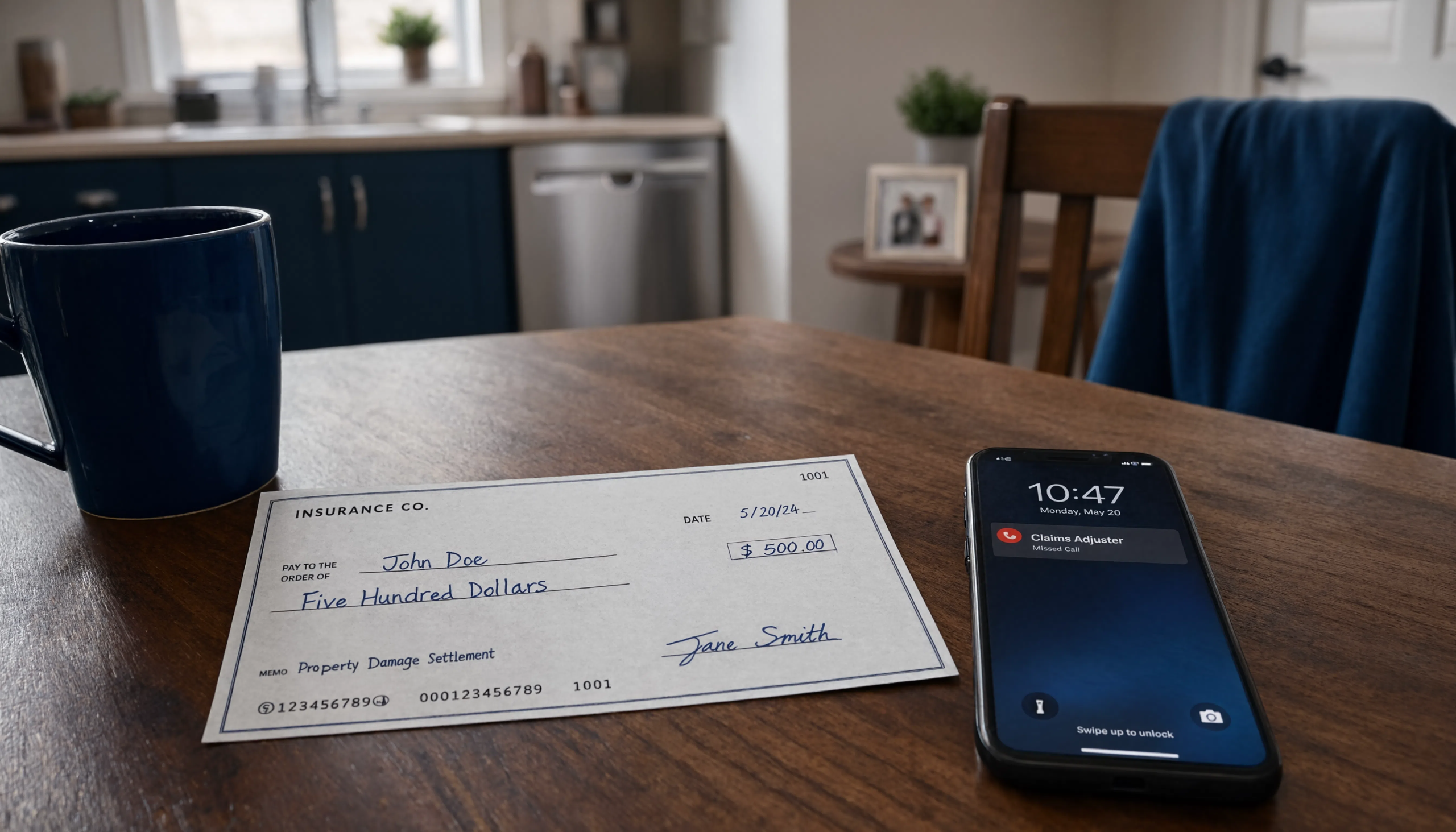
After an accident, plenty of people wonder whether hiring a lawyer is worth it – especially when the insurer sounds friendly and offers a quick check. Sometimes you can handle a small claim yourself. Often, going it alone quietly costs you more than a lawyer ever would. Here’s how to tell the difference.
How injury lawyers get paid (and why it lowers the barrier)
Most personal injury lawyers work on contingency: no money upfront, and a fee only if they recover for you – typically about a third of the result. Consultations are free. That structure means the real question usually isn’t whether you can afford a lawyer; it’s whether representation will net you more than handling the claim yourself.
What the numbers tend to show
Insurers are experienced, repeat players who settle claims for a living. Industry research has found that, on average, represented claimants recover more than those who go it alone – even after attorney fees are taken out. That’s not a guarantee in any single case, but it reflects a real dynamic in how claims are valued and negotiated.
When you probably don’t need a lawyer
If there were no injuries or only very minor ones, the damage is limited to your vehicle, fault is clear, and the dollars are small, you may be fine on your own. California’s small claims court handles disputes up to $12,500 for individuals (and $6,250 for businesses), which can be the right venue for minor property-damage cases.


When handling it alone can cost you
Certain cases call for help: serious or permanent injuries, disputed or shared fault, multiple parties, a commercial or corporate defendant, a rideshare or driverless-car crash, a government defendant (with its short deadlines), a wrongful death, or an insurer that denies the claim or lowballs it. Pre-existing conditions and uninsured or underinsured drivers also complicate things quickly.
The mistakes that quietly shrink a claim
The most common are settling before you know the full extent of your injuries (and future care), signing a release that closes the door for good, giving a recorded statement the adjuster uses against you, and – worst of all – letting the deadline pass. In California you generally have two years to file, and as little as six months against a government entity.
What a lawyer actually does
A good attorney investigates, preserves evidence before it disappears, values your claim including future costs, deals with the insurer so you don’t have to, negotiates from a position of strength, and takes the case to court if the offer isn’t fair. The point isn’t paperwork – it’s making sure the claim reflects everything you’ve actually lost.
Helpful Resources & Links
 California Courts – Civil Lawsuits (Self-Help)
Ellin Mardirosian Law – How Insurance Companies Try to Reduce Injury Settlements
Ellin Mardirosian Law – When Insurance Companies Challenge Liability
Ellin Mardirosian Law – About Us
Ellin Mardirosian Law – Free Consultation
Speak With Ellin Mardirosian Law
Injured? Your consultation is free and confidential. Call (747) 310-5200 – English, Spanish, and Armenian. No fee unless we win.